

Agatha Christie’s Torquay: eight places in Devon that inspired the Queen of Crime
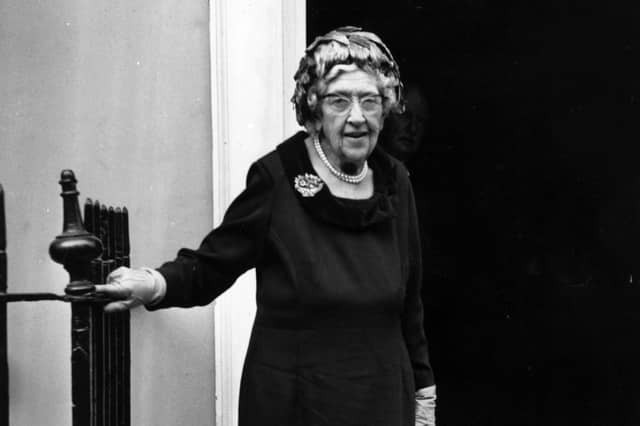

The exhibition, which runs until June 20, 2027, features letters to her family, notebooks, family photographs, personal belongings, her 1937 typewriter and early manuscripts.
Torbay’s best-known author is back in the spotlight, and the English Riviera is hoping her fans will come looking for where it all began.
Agatha Christie, born in Torquay in 1890, is the subject of a major exhibition at the British Library in St Pancras, London, which opened on October 30 and runs until June 20, 2027, with tickets starting from £20.
The English Riviera BID Company says the exhibition showcases the extraordinary life of the much-loved author, who it describes as one of the world’s greatest crime writers. It says the carefully curated display of letters to her family, notebooks, family photographs, personal belongings, her 1937 typewriter and early manuscripts will be on show for the first time.
But the company says her story does not stop there. It is encouraging visitors captivated by the exhibition to travel to her home on the English Riviera in Devon to experience the venues, scenery, coastline and even poisonous plants that inspired the writer.
It says the experiences, places and people she encountered on the English Riviera provided the inspiration for many of the characters and plots she created, and describes a trip to the South Devon coastline as a must for literary jetsetters and fans alike.
The company says there is no denying that Christie’s birthplace, Torquay, which it says is just a three-hour train journey from London Paddington, influenced many of her novels. It says she wrote her first book while working at the dispensary in the temporary war hospital at Torquay Town Hall.
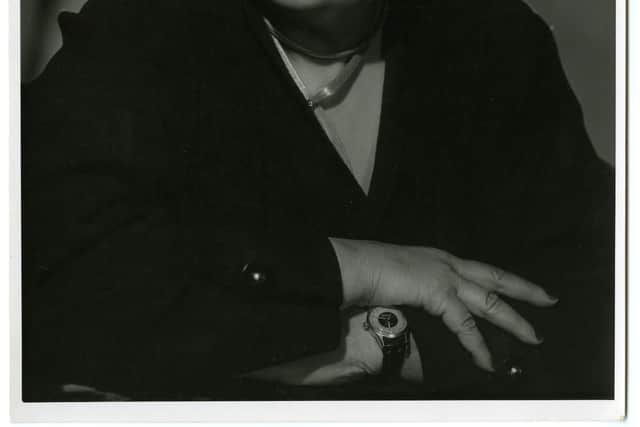
Carolyn Custerson, chief executive of the English Riviera BID Company, said: “If you are a fan of Christie and her work, then a visit to her hometown of Torquay is a must.
“Not everyone knows about the hidden treasures related to her dotted around the area, but we have compiled a list of the ‘must-see’ places which are perfect for those who have been inspired by the British Library’s new exhibition and want to continue exploring the magic of Christie.”
The company’s list of the top eight places linked to Christie’s life is as follows.
All Saints Church. Born in September 1890 in Torquay, Christie was christened Agatha Mary Clarissa Miller at All Saints Church. The company says the church was built with money from her family and that the Miller family worshipped there every Sunday.
Torquay Museum. The company says the Miller family were very engaged in the local community throughout Christie’s childhood. Her father, Frederick Miller, was a member of Torquay Natural History Society, which later became Torquay Museum. The museum is now home to what the company describes as Britain’s only Agatha Christie gallery.
Potent Plants Garden, Torre Abbey. The company says the abbey’s head gardener dug deep into the murky world of poisons, antidotes and remedies in Christie’s novels and created a garden of plants that may cure or kill depending on one’s motives. It says that, given that over half of Christie’s characters were poisoned, literary fans will be intrigued and surprised by the range of beautiful but sinister plants on show.
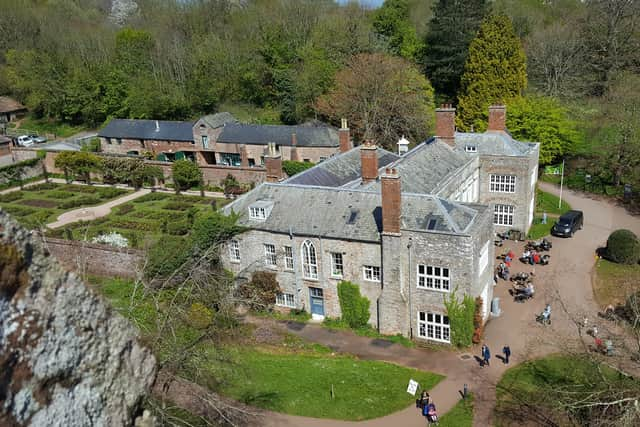
Cockington Court. The company says the Mallock family, who lived at the 17th-century manor house, were firm friends of Christie’s, and that in her early years she spent many afternoons there and even took part in amateur theatricals.
The Imperial Hotel and The Pavilion. Christie attended many social functions in Torquay, including at the Imperial Hotel and The Pavilion on Torquay harbourside, the company says. It says the Imperial Hotel features in three of her novels: renamed The Majestic in the fictional town of St Loo in Peril at End House (1932), and again in the town of Danemouth in The Body in the Library (1942), and appearing as The Imperial Hotel in Sleeping Murder (1976). The hotel today has a plaque dedicated to her in its lobby.
Torquay Town Hall and Dartmoor. The company says the town hall was used as a Red Cross hospital in the First World War and that Christie worked there as a nursing auxiliary. Later, as a qualified nurse, she worked at the dispensary, where it says she gained her knowledge of poisons. While working there she began to write her first detective story, The Mysterious Affair at Styles (1920), a poisoning mystery solved by Hercule Poirot. The company says Poirot was inspired by the many Belgian war refugees living in Torquay during the war.
The Grand Hotel. Christie, then Agatha Miller, married Archie Christie on Christmas Eve 1914 and spent their honeymoon night at the Grand Hotel, which the company describes as an elegant Victorian hotel with typical British charm and breathtaking views over the Bay. It says the hotel now has a bedroom suite named after the author.
Greenway House and the Church of St Mary the Virgin. The company says Christie bought Greenway House near Brixham in 1938, an idyllic spot on the banks of the River Dart. It says her holiday retreat and the nearby village of Galmpton feature as Nasse House at Nassecombe in Dead Man’s Folly (1956), while the fishing town of Brixham appears as Brixwell. Greenway appears again in Five Little Pigs (1943) and Towards Zero (1944), and as Sunny Point House in Ordeal by Innocence (1958).
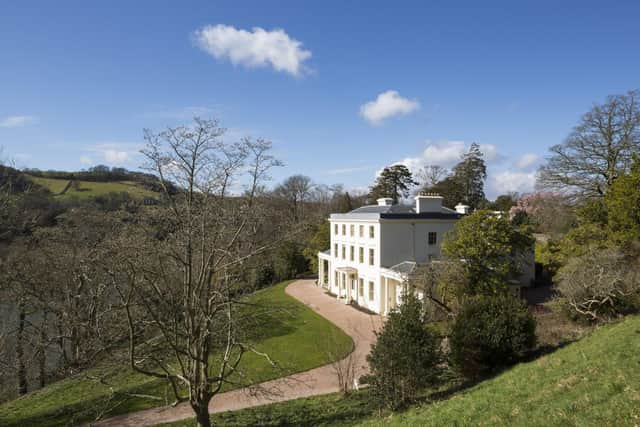
The company says the house, now managed by the National Trust, offers visitors an extraordinary glimpse into the private life of the Queen of Crime, and describes it as a magical place to explore, with a rich historical interior and a garden of wildness and mystery.
Ms Custerson said: “If you loved the British Library’s exhibition on Christie, we highly recommend a visit to the English Riviera in Devon to truly understand the life and works of the Queen of Crime.”
Tickets and details for the exhibition are on the British Library website, and information on exploring Agatha Christie’s English Riviera is on the English Riviera website.