

Drivers, carers and parents: what the Treasury’s ‘everyday fixes’ mean ahead of the Budget
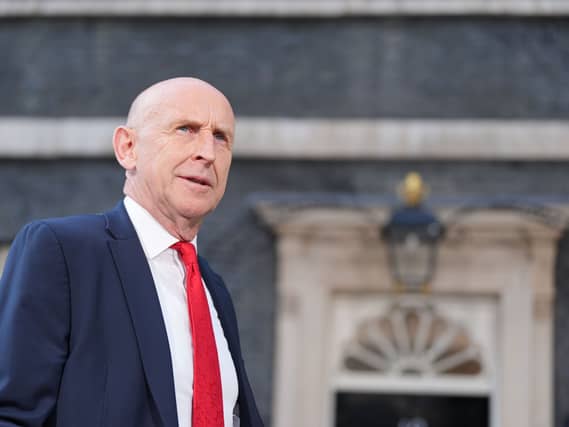

The Treasury has announced five measures to help millions of people with everyday costs, including locking in higher tax-free mileage rates and ending the 'cliff edge' in Carer's Allowance.
The Government has announced five measures it says will help millions of people with everyday costs, ahead of Wednesday’s Budget.
According to the Treasury, they include locking in higher tax-free mileage rates for people who use their own vehicles for work, ending the “cliff edge” in Carer’s Allowance, extending parental pay to more than 150,000 additional parents a year, cutting import tariffs on more than 100 products and rolling out hundreds more Post Office parcel drop boxes.
The Treasury describes the measures as the latest in the Prime Minister’s series of “everyday fixes”.
It says the Chancellor is making higher tax-free mileage rates permanent, locking in the rate of 55p per mile for the first 10,000 business miles and raising the rate above 10,000 miles from 25p to 35p. The Treasury says the change will support around three million employees and self-employed people who use their own vehicles for work, including nurses, care workers and self-employed builders.
It says a worker doing 6,000 business miles will receive £120 a year in additional tax savings, while someone driving 15,000 business miles could receive up to £300.
It is understood that this change is the biggest increase in mileage rates for 15 years.
The Treasury says unpaid carers will no longer lose their entire Carer’s Allowance for earning a penny over the weekly earnings limit, which it says is equivalent to 16 hours of the National Living Wage. Instead, it says £1 of support will taper away for every additional £1 earned, so carers are not left financially worse off for working more hours or receiving a pay rise.
Kirsty McHugh, chief executive of Carers Trust, said: “It is great news that the Government is acting to remove the Carer’s Allowance cliff edge. This has long been a concerning part of our benefits system, penalising thousands of carers who are juggling paid work with their caring role.”
Emily Holzhausen, director of policy at Carers UK, said: “We have been calling for a taper to the earnings limit and an end to the cliff edge on Carer’s Allowance for many years and we’re pleased that the Chancellor has committed to this next step.”
She said Carers UK’s evidence found many carers had given up part-time work or turned work down “because they cannot risk going over the limit and losing 100% of their Carer’s Allowance”.
The Treasury says parental pay will be extended to more than 150,000 additional parents a year, including self-employed dads and partners who have previously missed out. It says eligible parents will get two weeks of support, currently worth up to £194 a week.
George Gabriel, co-founder of The Dad Shift, said the change would give “self-employed dads a chance to show up for their loved ones at one of the moments that matters most”.
The Treasury says import tariffs will be cut on more than 100 products, including baked beans, chocolate and gherkins, as well as fertiliser and kerosene heating oil. It says that, together with tariff suspensions already introduced, households could save up to £21 on their food shop each year.
It says the Post Office will roll out hundreds more parcel drop boxes, bringing the total to 1,000, and that 600 branches will be upgraded by the end of the financial year.
The Treasury also said a new Warm Homes loans scheme launched on Monday, offering homeowners low-interest and interest-free finance to install solar panels, batteries and heat pumps. It says installing all three could cut energy bills by up to £550 a year.
Prime Minister Andy Burnham said: “If you’re a nurse driving for work, a parent spending those precious first weeks with your new baby, or an unpaid carer picking up an extra shift, these changes will make life a little easier and put more money back in your pocket.”
Chancellor John Healey said: “Conflict in the Middle East and Europe is hitting families here at home through higher everyday costs. We can’t control global events, but we can act where we can make a difference.”