

Rail experts offer 'radical solution' to keep South West connected during extreme weather
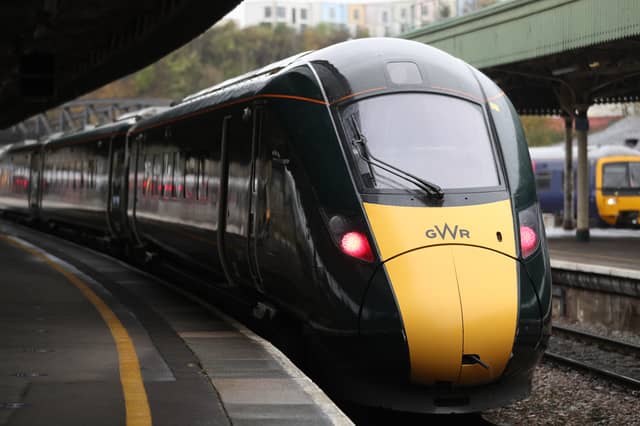

A new report by rail experts suggests that year-round express buses could provide a “radical solution” to a transport system that is “particularly vulnerable to climate change impacts”
A new report by rail experts says year-round express buses could be the key to keeping the South West connected when extreme weather events take railway lines out of action.
Greengauge 21, an independent transport research group with a focus on the South West, released a report on Thursday, October 15 suggesting scheduled express bus routes could provide a “radical solution” to a transport system that is “particularly vulnerable to climate change impacts”.
The proposal has drawn a cautious response. Greengauge 21 says the buses would keep the region connected until a second rail route can be reinstated, while Railfuture welcomes the focus on resilience but questions whether new services are the best use of limited money.
Devon is no stranger to adverse weather, given its geographical position on the south west peninsula. The Met Office says UK winters are projected to become warmer and wetter and summers hotter and drier, with its projections suggesting that by 2070 winters could be up to 30 per cent wetter and summers up to 60 per cent drier, depending on the region.
Strong winds and heavy rain from Storm Austen saw fewer trains running in Devon and Cornwall over the weekend.
Great Western Railway introduced speed restrictions and service cancellations out of concern for the safety of passengers and staff. CrossCountry also cancelled services between the two counties.
“The established trend towards hotter drier summers and warmer wetter winters - not enough rain in summer months and too much in winter months - appears likely to increase the vulnerability of rail connectivity in the South West to weather-related disruption,” said a spokesperson for Railfuture, an independent organisation campaigning for better rail services.
Railfuture says the Devon lines most likely to be affected by extreme weather are the mainline between Exeter and Tiverton Parkway, and the North Devon Line connecting Exeter with Barnstaple (the Tarka Line) and Okehampton (the Dartmoor Line).
To combat this, Greengauge 21 proposes the introduction of a “dedicated electrically-powered express bus fleet” to operate across the M5, A38, and A30 on a scheduled, year-round basis.
The group says the buses would not be “hastily contracted-in” like they claim current rail replacement services are, but instead would offer amenities such as air conditioning, Wi-Fi, and level boarding to match typical train facilities.
Its report is understood to have also found that “by using Tiverton Parkway as a key [interchange], passengers could switch between express bus and rail services for long-distance journeys from Plymouth and West Cornwall to London, Bristol, and beyond, without increasing overall journey times”.
“This [scheme] would be a classic application of Climate Change Adaptation policies put into practice,” said Jim Steer, director at Greengauge 21.
“It recognises the connectivity needs of South Devon businesses, and so the region’s economic wellbeing.”
Mr Steer does, however, acknowledge that the “best” answer would be to reinstate the railway line between Okehampton and Tavistock, creating a second rail connection to the north.
“This would create the resilient network infrastructure that is so important for [the South West],” he said.
“But necessary resilience measures on the surviving rail link can only be implemented with a series of disruptive and costly line closures, unfortunately damaging the economy of the wider region in the process.”
Until a northern rail route can be reinstalled, Mr Steer believes a purpose-built fleet of buses could make journeys "significantly faster”.
Peninsula Transport, a regional transport body for the South West peninsula, states its ambition on its website. They say it’s their desire “to see the full reopening of the Plymouth–Okehampton line”, which would create a second rail route and reduce reliance on the coastal mainline at Dawlish. It says “protecting the coastal mainline is our top priority”, with work under way to make the line more resilient.
Railfuture, an independent organisation that campaigns for better rail services, says this proposal “usefully highlights” the need for more resilient transport infrastructure in the South West. However, it also believes that extreme weather that affects the rail network could also affect the road network.
A spokesperson for Railfuture said: “It shouldn’t be assumed that ‘parallel bus and train services’, which will take time and money to implement, will then be immune to weather-related disruption - or that they would provide worthwhile amounts of alternative capacity in the event of severe disruption.”
The organisation suggests already “scarce” money and resources might be better put towards improving the resilience of existing rail and bus networks, instead of introducing new ones.
“An evidence-led and proportionate approach to managing the risks from extreme weather to the continued operation of infrastructure networks through adaptation and resilience so that transport operators, whether rail or road, can continue to offer their customers the essential transport services over those networks on which the economy of South West communities, great and small, depend.”