

Summer gardening with Pat Duke: Keeping the colour going
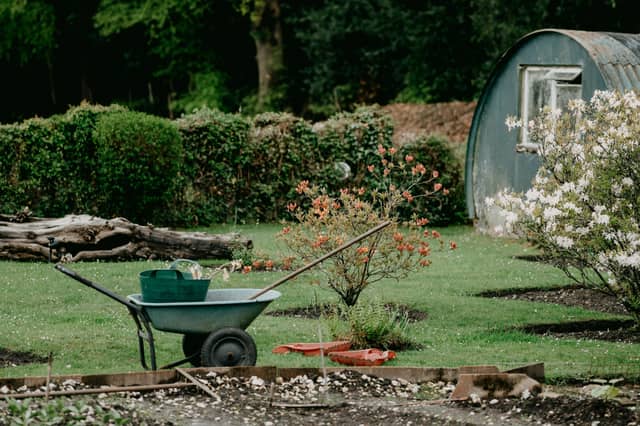

Deadheading, taking cuttings, succession planting and thinning fruit can keep both gardens and vegetable plots productive well into autumn
In the Garden
Now we are in mid-summer, we can concentrate our efforts on keeping flowers going by pruning and deadheading, as well as having an eye on autumn planting. All gardeners know how important it is to be ahead of the game and plan for the next season.
Make an effort to complete a circuit of the garden to pinch out the top shoots of all your annuals. This will direct them to grow outwards rather than vertically and produce more colourful flowers. Pretty much all annuals benefit from this, and it's an easy trick to increase flower production that is both a relaxing pleasure and takes very little time or technical skill.
Salvias, pelargoniums and penstemons can have cuttings taken and potted up for more plants next year. Don't be afraid to ask a friend or neighbour if you can take cuttings of a plant you like the look of.
At this time in the summer, the garden can look somewhat scruffy, with dry grass and dust replacing soil. Earlier biennials like Sweet William, wallflowers and foxgloves are going over and starting to turn brown. They will break away easily and can be added to the compost under the heading of brown material.
This is a great example of how we can work with the change in climate. It's accepted now that some flowers will bloom later into autumn. With the space left over, cosmos, cleomes and nicotiana can be planted to bloom well into the cooler months. This always gives us autumn deniers the feeling that summer isn't over until they die off.
Gladioli will also do this and, like their cousin Abyssinian gladioli, are easy to plant and will flower through autumn. Plant some now and save half for a few weeks' time to give you a procession of flowers rather than one-off showings.
On the Plot
A similar principle applies to the veg plot in terms of caring for plants until they reach maturity and enabling them to yield the greatest amount of food. The secret of this, if it is a secret at all, is not only feeding plants what they need, but also thinning them out. This applies across the board, from radishes to apple trees.
Even after the annual drop, which has already taken place prolifically in my garden almost overnight, fruit trees need thinning out or you'll have to pick more small fruits instead of fewer larger fruits. You're going to have to do the same amount of work, so it makes sense to thin out now. Apples need a hand's space between each fruit; plums you can get away with less space.
It's so easy to water the garden and forget about the trees. They might remind you by dropping the occasional branch through dehydration. If it lands while you're out there, you'll definitely take action!
On a more sedate note, leeks should be ready to go outside now they've reached pencil thickness. Because they are an already underused crop, we can grow more of them. They take up little space, are resilient, can be left in the ground all winter, and will take your beef stroganoff to a different level. In the kitchen, there is no reason why we can't use them in place of onions. I can't imagine life without them.
Other veg that has exhausted all the nutrients of its seed tray or pot will accelerate its development when planted outside. Purple sprouting and French beans in particular. Any clear patches can be home to beetroot or a later sowing of carrots that can be thinned out too.
In short, it's the last opportunity to be sowing seeds directly so they have time to grow into fruit and vegetables that are large enough to be worth harvesting. Even though it's tinder dry, there are still a raft of tasks needing to be completed.