

Preparing the garden for the changing seasons
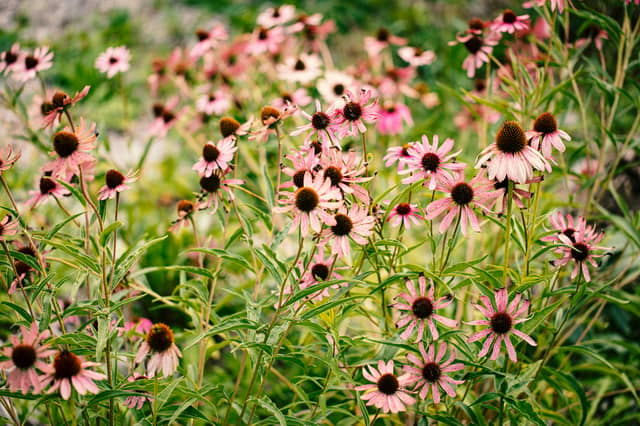

With autumn approaching, now is the time to prepare beds, divide perennials and make the most of this year's harvest
In the Garden
Whilst things are cooling down and summer is still hanging on, autumn jobs have arrived slightly earlier than planned. Dead foliage needs removing in beds and gaps that need to be filled before the weeds make the most of the showers we’ve had.
Many herbaceous perennials need to be divided now to help them achieve their full height and colour next year. Gardeners are always thinking ahead and now is no exception. They don’t have woody stems and die back through winter to re-energise; they are essentially grasses.
Helenium, Helianthus, Salvias and Japanese anemones can all be divided in September. The latter can have a habit of spreading far and wide, so it’s another reason to keep on top of it. They also make a simple gift to anyone who loves them, of which there are plenty.
Part of me does not want to accept that summer is over and I enter into a denial phase by not donning a fleece or jumper until I'm shaking with cold. I certainly won’t be planting bulbs as that is a clear autumn task. You can if you wish, but I’d be minded to leave it for a few weeks yet as the squirrels are keeping a beady eye out for their own personal winter larder after a hard summer.
Instead, you can sow poppies, marigolds and cornflowers now for a display next spring.
These will also spread their flowering seasons out over a few months to fill gaps when bulbs have either gone over or not yet appeared. If there is a trick to managing the garden, it’s having all-round colour and these three flowers can often be the framework for early colour in the beds.
Poppies are also one of the simplest flowers to harvest seeds from. Let them dry out and shake the lollipop heads into a plastic bag. Make sure you pull them out of the beds before the wind catches them or you’ll be weeding them out of the beds all next summer. They are intense self-seeders, so need a strict regime to prevent them taking over.
On the Plot
If, like me, you haven't got round to collecting all the first-drop apples scattered far and wide around the tree, forget about them for now and concentrate on those still on the tree before they fall and store them separately in a dry and dark place. The theory is that snails, badgers and hedgehogs will tidy up the ones in the grass and you get to keep the full-sized ones.
Have a peek inside the compost bins as all the hot weather should have intensified and accelerated decomposition. Pretty soon the beds will need covering again and home-made compost will save you a fortune. Not only that, you will need space to restart another batch of green waste for next spring.
Putting the mower over the lawn is ideal now because there is a good mix of dead, brown as well as green material to collect and add to the mix. Shredding this makes it decompose quicker too.
Potatoes should be ready by now and leaving them in the ground does you, or them, no favours at all. Slugs and snails are only too happy to drill their way through your crop as the soil gets damper. Potatoes also take up a lot of room, so clearing them out gives you time to cover the bed and prepare for next spring’s onion crop.
With the lack of rain, it’s meant we have a bit more time for preparation rather than maintenance, so have a look at winter vegetable seeds and plants to grow while you have the time. Gaps in the veg bed can be filled with bought-in purple sprouting broccoli or Walking onions. Chard, particularly ‘Bright Lights’, can be sown and will be available in no time.