

Henry James, Torquay and the making of a literary giant (Part two)
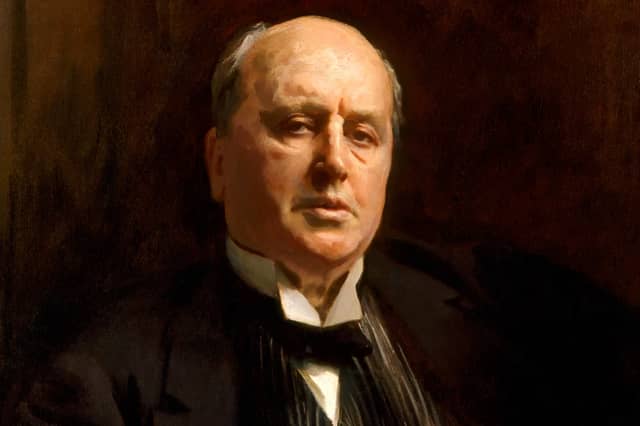

Standfirst: From a memorable visit with the Christie family in Torquay to his later years as a celebrated novelist and naturalised British citizen, the life of Henry James was marked by literary brilliance, eccentric habits and a lasting influence on both sides of the Atlantic.
When eventually returning to his fourth floor home at 34 De Vere Gardens Kensington in London Henry spent eighteen months serialising “The Tragic Muse” story before in 1888 starting another satire on journalists. They were creating a “culture of personalities” which he perceived as a serious “threat to everyone’s privacy” and indeed he was prophetic, as still today privacy for particularly famous people still ends up as a battle as they try to maintain their privacy. Meanwhile although now accepted as an American writer/critic of importance he was based in the UK for his next work “The Reverberator” a book about two personalities - an actress and a painter, He finished this in Switzerland and then wrote to brother William stating - “I aspire to write in such a way that it would be impossible to an outsider to say whether I am, at a given moment, an American writing about England or an Englishman writing about America and so far from being ashamed of such an ambiguity I should be exceedingly proud of it, for it would be highly civilized”.
Henry, always short of money now started to dramatise all his work for the theatre and by 1895 was fortunate enough to be able to return to his beloved - fictional work. Having switched publishers he now wrote more academic work for his old journal the “Atlantic and Illustrated London News” and completed novels like “The Golden Bowl” a story of “Fortune hunting and adultery involving emotional and financial pressures on Americans visiting cosmopolitan Europe”. Once published he wrote his “Wings of a Dove” which coincided with a further return to Torbay in 1895. This time he would visit the Christie family living in Devon at Barton Road Torquay. He had just written “The Spoils of Poynton” and now found the young Agatha Christie, eldest daughter of the family wrote of him as “a man who had a strange way of taking his tea”. Of course at home he was already an American eccentric - a man who late in life took to cycling - but it was young Agatha that spotted his eccentricity here, as he always asked for a single lump of sugar before breaking it into two and putting it into his tea.
Once back in London he started the novel “The Other House” being a story based on an Ibsen play which took him three months to write. Now e went to Sussex when renting a bungalow at Rye “on a hilltop which enchanted him”. On leaving this he rented the local Vicarage and remained there two months in 1896. Now Henry’s love of writing fiction and the supernatural was joined by the impact of European culture on his homeland America. This saw him write tomes like “The American” , then “Washington Square”, plus “The Bostonians” typifying this. As the new century dawned he completed “The Awkward Age” and “Wings of the Dove” “The Ambassadors” and the “The Golden Bowl” - all published. One of his many secretaries said of Mr James “He dictated beautifully, typewriting for him was exactly like accompanying a singer on the piano”. When Mary Weld left to get married his next secretary was Theodora Bosanquet and she produced her vivid memoir” entitled “Henry James at Work” also published. Henry was given an Honorary Doctorate at Oxford in June 1912 and then in October went to reside in an apartment at Carlyle Mansions London. With the First World War imminent he became a protestor at America’s refusal to enter the war and chose to become a naturalised British subject in 1915. His new friend Edmund Gosse (in Torquay) became one of the three sponsors. Now he wrote two autobiographical volumes - “A Small Boy and Others” and “Notes of a Son and Brother” before commencing the book “The Middle Years”. All were thankfully published before his seventieth birthday.
Passionate about World War I he now became involved with the Belgium refugees before on July 30 th 1915 he was taken seriously ill. He described his illness as “an interminable gastric crisis of the most vicious and poisonous order” which sadly brought on his first stroke. He survived and in 1916 our British New Years Honours List saw him given an Order of Merit before on not quite the last final of that month (a leap year) Henry James died on February 28 th alone in his Carlyle apartment. His funeral service took place at Chelsea Old Church where now his sister-in-law stole his shoes so she could return them to America - a final act off eccentricity maybe. Today they are safely lodged at Cambridge Massachusetts ensuring this extra-ordinary writer/wordsmith has something remaining in the land of his birth.