

Beat the Heat: How to adapt your garden for drought and harvest summer crops
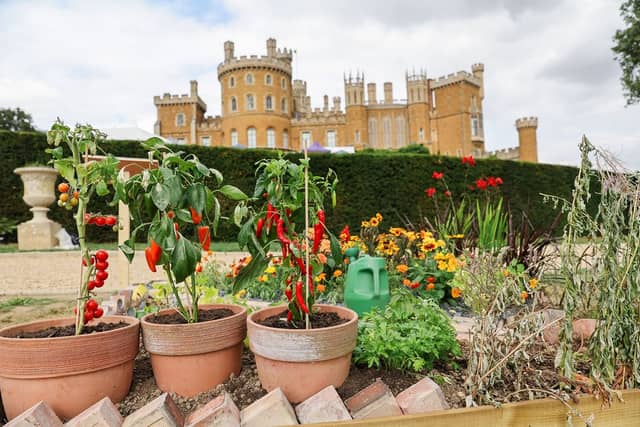

With parts of the region facing a six-week dry spell, this week’s column explores the best drought-resilient plants to buy right now, plus essential advice on harvesting your garlic and protecting tomatoes from summer blight.
It seems that every year around this time there is a clamour for a hose pipe ban alongside fevered discussions about the reality of global warming and drought.
This does not by any means mean that armageddon has arrived, it just means we might need to do things differently to manage the transition, working as ever alongside nature in response to what we’ve seen over the last four or five years.
It’s now been six weeks since we’ve had any significant rainfall other than the ephemeral warm droplets here and there. One of those obvious and practical amendments to our gardening habits is thinking about which plants to bring back from the garden centre and will they manage the heat.
Choose plants that are resilient, from hot countries or that have the chemical make up to transcend arid conditions. Plants with grey or, downy silvery foliage that reflects sunlight. Plants with long tap roots like sea holly will be well versed in searching deep for water and can also depend on smaller amounts of water.
Some flowers can have a shorter flowering cycle to dodge the heat or go under the radar by blooming just before the temperature rises in early summer. Poppies, Hollyhocks and Foxgloves are a good example of this type of avoidant personality.
Sedums not only act as a convenient helipad for bees and other pollinators, they have succulent and sometimes grey foliage covered in a substance that stops moisture leaching from their fleshy leaves.
Plants with smaller or narrow leaves like grasses will keep going, sometimes in full sun, but certainly in part shade. If there is less surface area on a leaf there is less capacity for moisture loss.
Decorative or edible thistles like cardoons and globe artichokes look good and don’t mind the heat as long as there’s some water here and there. To that you can add Echinops ‘ritro’ that produces stunning azure blue spikes.
On the Plot
It’s been a long time watching and watering the alliums bed develop but now it’s finally time to harvest shallots and garlic .
Lever the shallots out with a fork and if they’re fully ripe, will conveniently separate into individual bulbs that store well. Tie them together and hang them in a cool dry place.
Garlic can be quite a controversial discussion point on when its ready. There’s nothing worse than pulling up under developed cloves after waiting so long. Once the tips start to turn yellow, ripening is under way, that’s the starting gun for harvesting, but I’d leave it a few weeks until the yellowing reaches further down the stem. Let them dry as you would the shallots.
I often think if you can grow onions and garlic you are in the foothills of self sufficiency given they form the base of so many recipes.
Cucumber will be looking to find any way to direct their tendrils other than where you want them to go. Tie them in, keeping them on track or they’ll be all over the greenhouse and on the march to world domination.
Keep a close eye on potatoes and tomatoes for blight. If you see any signs at all such as wilting, browning or dead leaves then cut off the haul or stalk as quickly as you can and burn. An incinerator bin is ideal for this and can be unobtrusive as far is fire’s go.
Thin out any seedlings of salad crops or beetroot. Nobody wants tiny under formed vegetables that are no good for the table or the show bench. It’s often tempting to grow quantity but we all know quality is where it’s at.
Keep watering judiciously first thing if you can. Getting outdoors earlier than you normally would certainly adds joy to your day. Often it’s the only time you can be alone for the quiet reflection all humans have always needed.