

Burnham's words on EU rejoin 'at odds with actions' as summit deal falls short of ambition
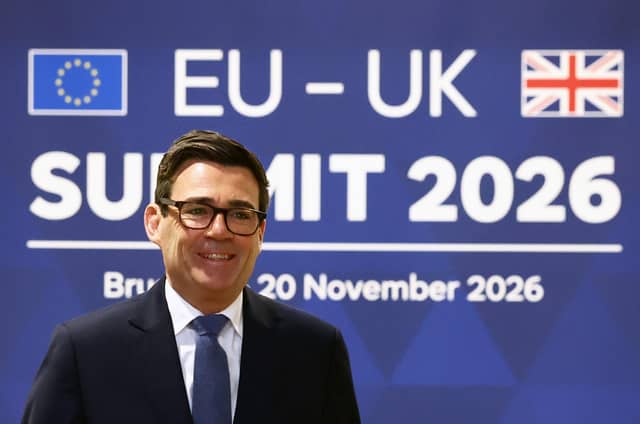

The Prime Minister's deal with the EU adds just 0.5% to GDP, a far cry from the kind of steps Andy Burnham's words suggest he is willing to take to take the UK closer to Europe.
In the aftermath of the much-anticipated UK/EU Summit, right-wing front pages were awash with words like ambush and betrayal. To a certain extent, they were right. But not in the way you might expect.
Andy Burnham came into office promising to go much further and faster on Europe. In a much-cited speech, delivered when he was Manchester Mayor, Burnham expressed a desire to rejoin the EU within his lifetime; a stance he has reiterated since taking office, though with the caveat that he won’t move ahead of public opinion.
Public opinion has shifted massively since 2016. A decade on, just 30% of Britons believe the UK was right to leave. Six in ten think Brexit has been a failure, with 55% supporting rejoining the EU. Backed by such a groundswell of public opinion, Andy Burnham had the green light to fulfil his wish to take us much closer to Europe.
But what last week’s summit proved was the stark gap between the Prime Minister’s words and his actions. The deals agreed last Friday will add just 0.5% to GDP. They drop trade barriers on food – something our exporters desperately need – ease restrictions on youth mobility and shield the UK from EU carbon tariffs. This is not nothing, but it is small fry compared to the kind of steps Burnham’s words suggest he is more than willing to take.
Admittedly, this is not entirely the Prime Minister’s fault. The 2024 Labour manifesto, drafted when Keir Starmer was leader, set out clear red lines on Europe: no return to freedom of movement and not joining the EU, single market, or customs union.
At the time, they formed part of Labour’s Ming Vase strategy of winning the election by avoiding offending any voters. But fast forward, two and a half years, and these red lines are an albatross around the neck for a Prime Minister chasing the elusive economic growth only Europe can provide.
Burnham himself admitted as much. At the press conference with the European Commission president Ursula von der Leyen and European Council president António Costa, the Prime Minister said the deal signed last Friday was the absolute limit of what can be achieved in this parliament.
In other words, this deal is the best we can achieve under Labour’s red lines on Europe. As I alluded to, there’s much to welcome in this deal – particularly for food exporters – but it falls well short of what is needed to grow our economy.
We need a new, bold Growth and Defence Partnership with the EU, which includes the UK joining the single market, entering a customs union, and negotiating a comprehensive defence pact with Europe.
This is the single biggest lever the government could pull to growth our economy – to the tune of £27 billion a year in extra tax revenues by its fifth year – and bolster our nation’s security. It is time for the government to heed Lib Dem calls for closer trade and defence ties with the EU, to make us richer, stronger, and safer in our unprecedentedly turbulent times.
Hamstrung by self-imposed red lines just like Starmer before him, Burnham is merely tweaking a broken deal. What we need instead is genuine ambition and a whole new arrangement. The Prime Minister’s rhetoric shows he clearly knows this. It’s time for his actions to match the ambition of his words. Anything less will be a continuation of the status quo which has failed to deliver for ten long years.