

The history and future of the Torquay theatre Dickens once dubbed a 'cowshed'
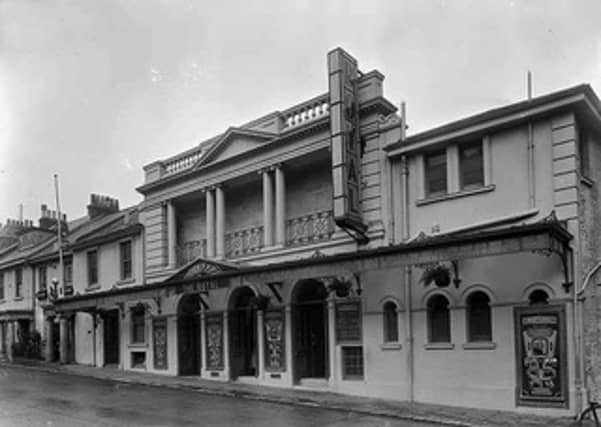

In this first part, we look at the history of the iconic Royal Lyceum Theatre
If the walls of Torquay’s Lyceum Theatre could speak, they'd have a yarn or two to spin.
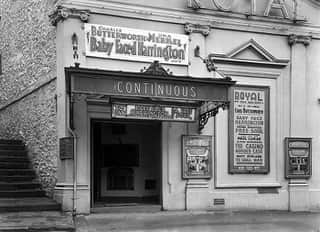
Although the earliest record of a performance on the land was in an assembly room in 1920, the theatre began its life at the start of 1863 as the Royal Lyceum Assembly Rooms, built by the Cary Estate.
It was at this point that a covenant was put on the land to ensure that it would be used for entertainment purposes forever. Owners must still pay £54 a year to the Cary Estate to this day.
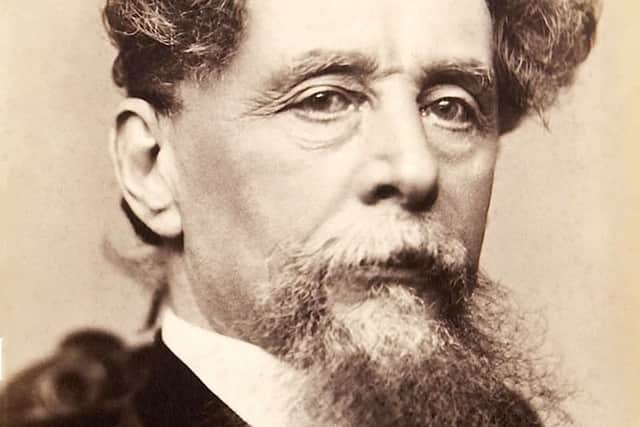
After performing recitations from Doctor Marigold and Trial from Pickwick, Dickens wrote his daughter a scathing review: “It is something between a theatre, a circus, a riding school, a Methodist Chapel, and a cow house. I was so disgusted with its acoustic properties on going in to look at it, that the whole unfortunate staff have been all day, and now are, sticking up baize and carpets in it to prevent echo.”
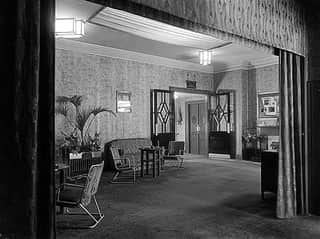
When the venue was acquired by the Prince of Wales Dramatic Company in 1871, improvements had to be made. Local architect George Soudon was commissioned to improve the interior and the theatre was reborn as the Royal Lyceum Theatre.
Interestingly, Soudon’s apprentice at the time was Frank Matcham, who would go on to design some of Britain's most iconic venues such as the London Palladium and the Blackpool Tower Ballroom.
The theatre again changed hands in 1880, to finally be described as ‘worthy of a town like Torquay’, having been completely redesigned by an eminent theatre architect Charles Phipps, to replace what a report in the The Era described as that ‘dismal old place of entertainment known as the Lyceum Theatre’.
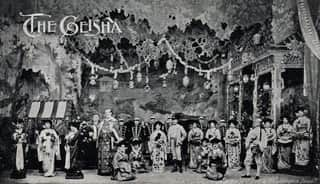
The Torquay Times reported: “So pleased was the King with the performance he witnessed at the theatre’ and ‘the enthusiastic reception which was accorded him by nearly 1200 people that he sent for the chairman of directors and to him personally and cordially expressed his thanks and gratification.”
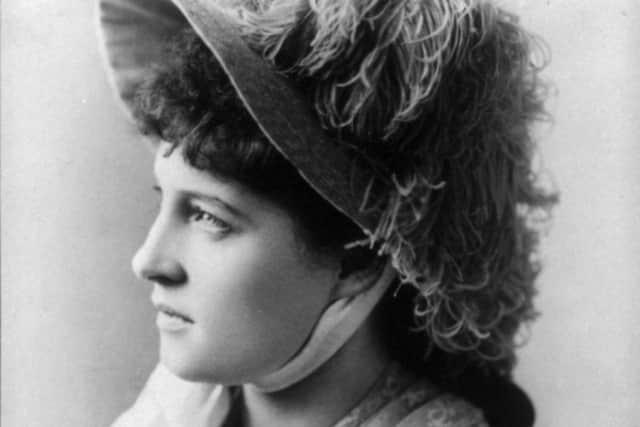
The theatre then became a Royal Theatre following a visit by the Princess of Wales in 1886. Rather insensitively, the band played ‘the Langtree Waltz’, a song named after the famous affair the Princess’s husband, King Edward VII had with Lily Langtry.
More royalty came to the theatre in the form of Queen Victoria’s daughter Princess Louise, who attended on her visit to unveil a memorial stone to mark the construction of Princess Pier.
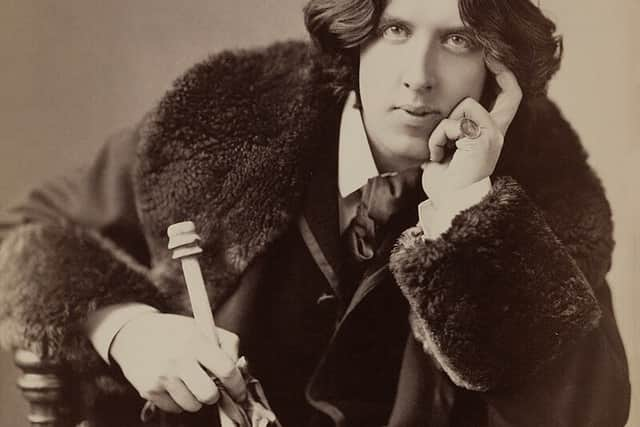
By the start of the 20th century, new technologies were changing Torbay’s entertainment scene and a decline in popularity was bringing the curtain down on live entertainment.
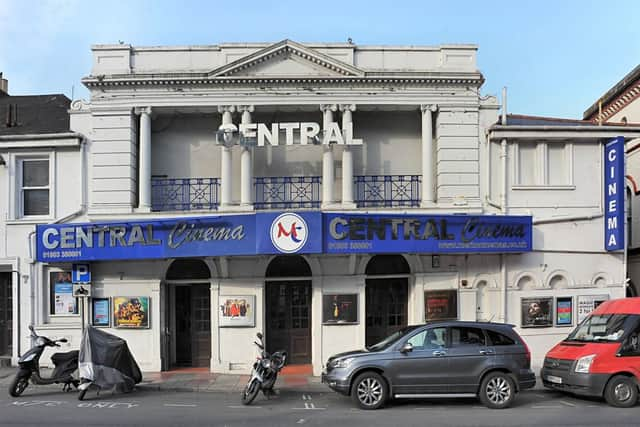
The theatre underwent a long period as a cinema. By 2000, the Lyceum had become a four-screen cinema and was operated by Merlin Cinemas. After Merlin moved to a larger premises on Union Street in 2022, the fate of this historic gem was unclear.
Enter Unleashed Theatre Company, an award-winning community drama group featuring performers recovering from addiction, homelessness and mental health issues. Unleashed has brought the theatre back full circle, restoring the building to its former glory and returning its original name: the Royal Lyceum Theatre.
But they’re not done yet, Unleashed have big plans for the Royal Lyceum, hoping that once again the theatre could be a centre for arts and culture in the Bay and a focal point for regeneration.
“This place is dripping with history and it should be celebrated in Torquay,” said Martin Harris, Artistic Director of Unleashed Theatre Company.
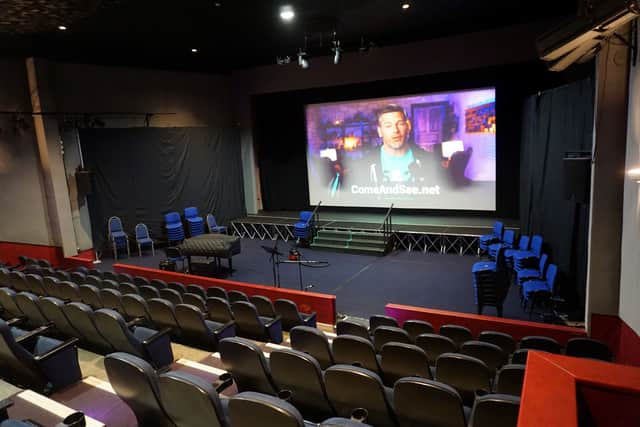
Unleashed was lucky to get their hands on the theatre, one of the reasons for their success being the covenant put on the land by the Carey Estate over a century ago.
Martin said: “We were running out of Endeavour House and were looking to get a place. We were looking at one of the shop fronts but it wasn’t really working. When we approached Merlin, they were very keen, the covenant meant that it was going to be hard to sell it to developers so we were a great fit.”
A historic treasure, now surrounded by deprived areas of Torbay, Unleashed were the perfect group not just to restore the theatre to its former glory, but neighbourhoods around it as well.
Read next week’s Torbay Weekly to hear about the future of the Royal Lyceum Theatre.
Written with thanks to Mike Holgate and Unleashed Theatre Company for information.