

Motoring with Paul Jolly: Middle East's most extreme conditions - and I never doubted the Landcruiser's abilities
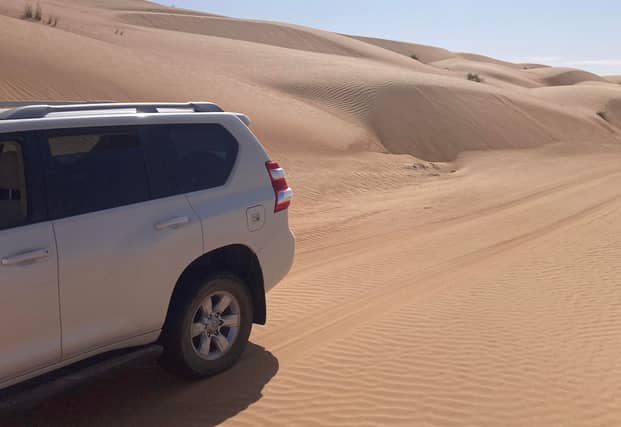

Large 4x4s are often criticised in this country, especially when used in towns and cities, and perhaps with good reason. The market for 4x4 vehicles is globally huge and it is rather tricky for manufacturers to make a 4x4 for the UK market and another fo
Large 4x4s are often criticised in this country, especially when used in towns and cities, and perhaps with good reason.
The market for 4x4 vehicles is globally huge and it is rather tricky for manufacturers to make a 4x4 for the UK market and another for, say, the USA market which has undeniably bigger roads and more space than we have.
Middle Eastern countries rely heavily on these machines with just cause given their varying road conditions.
This part of the world has deserts in abundance. However, Oman - at the end of the Arabian Peninsula - also has 10,000ft mountains, dried river valleys called wadis and everything in between.
Here, the 4x4 is as much a way of life as the camel once was. You can be travelling a smooth highway which then turns into a stony river bed without warning, swollen by sudden floods off the mountains or arid dry and dusty depending on the season. Little hatchbacks just won’t survive!
Somewhat unkindly, there is a saying that to go into the desert, you could take a Land Rover, but if you want to get out again, you need a Toyota Landcruiser.
Well, the simple truth is that this is Japanese 4x4 territory and there has to be a reliability reason.
Almost everything is Toyota or Nissan and they are all white for obvious reflective reasons with 40C degree summer daytime temperatures.
Our hired Landcruiser traversed the Wahiba Sands and then a short time later, climbed the highest peak of Jebel Shams with its unmade tracks to the top, just after a fresh fall of snow.
With such extreme conditions, I never doubted the Toyota’s abilities.
You can also forget about Satnav. It is good old compass and measured waypoints if you want to get anywhere!
When driving on sand, tyres pressures are reduced to 18psi down from 38psi to increase the ‘footprint’ and maximise grip.
You also need to keep moving and not lose momentum otherwise you will get stuck.