

Gardening with Pat Duke: Harness the heat and you can grow pineapples

There isn’t a great deal to do in the garden maintaining plants already in the ground. All the exciting stuff is later in the year and at times we can be kicking our heels and looking for tasks to keep us out of mischief. All the clearing of the garden
There isn’t a great deal to do in the garden maintaining plants already in the ground.
All the exciting stuff is later in the year and at times we can be kicking our heels and looking for tasks to keep us out of mischief.
All the clearing of the garden will have, hopefully, been done by now while spring bulbs are threatening to burst into colour any day.
Make sure all the winter staples have been done. Leaf clearance, pruning jobs, lawn care and bulb planting.
It’s not unusual for people to still have a sack of unplanted spring bulbs hanging around, but the good news is that it’s still not too late as long as they go in in the next week or two.
Roses can be pruned now, taking a third off in height and making sure stems don’t cross and dead and diseased growth is removed. Add some old horse manure at the base and you ll have flowers and a different scent in May.
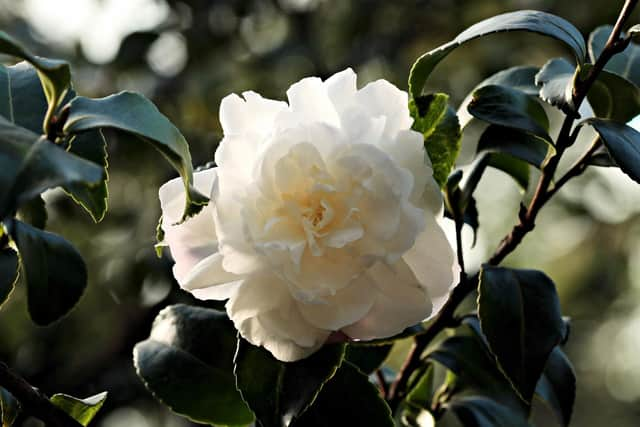
You might want to protect any camellias while the frost is here. We’ve been having frosty mornings followed by warm sunshine. This combination is a recipe for soggy, brown petals so just throw some fleece over it as you anticipate frost.
If you've time, clean any paths of moss and accumulated dirt which will make the world of difference when we finally get going in the growing season.
Keep feeding the birds to help them through the winter. I completed the Great British Bird Watch at the weekend and saw more than 100 birds in an hour.
It spurred me on to buy some seed and at least one more feeder to get them used to popping in and hopefully wolfing down plenty of garden pests this summer.
ON THE PLOT
Late winter is often a time for finishing off or even starting projects on the plot.
A great, if not so new, invention to help garden all year round is the hot bed. They are easy to build without a degree in DIY and can technically provide you with crops all year round.
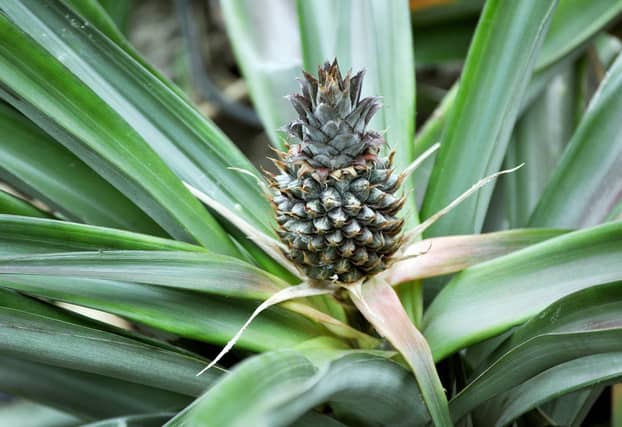
Finding out you can even grow pineapples in the UK using a hot bed is what got me hooked on them. Who wouldn't want to give that a go!
A hot bed is a naturally warmed, protected bed made by using decomposing organic material. Simply put, it’s similar to harnessing the heat that we find in the compost heap.
The best organic material to use is horse manure layered with leaves or straw, so try and locate a free supplier. Many stables will be happy for you to dig it out of their heap free of charge.
You will need to keep topping up with manure and checking the temperature as a guide.
A growing frame is laid on top of an outer frame. The outer frame holds the fuel in the form of manure layered with leaves or straw and then the growing frame filled with compost, sits on top.
Think of it on a small scale as placing a seed tray on top of a flat heap of manure inside a cold frame.
Starting with a small bed will give you the confidence to create a larger bed if you find it works well or like me, you start to obsess over it.
Beetroot, lettuce, carrots, salad crops, potatoes and onions can all be sown from December onwards unless you want to keep it in its entirety as a miniature pineapple house.
Whatever you grow in it, it will extend the growing season and help you get out in the garden for longer than just feeding the birds.