

Men need hope and purpose alongside mental health support, Devon campaigner says
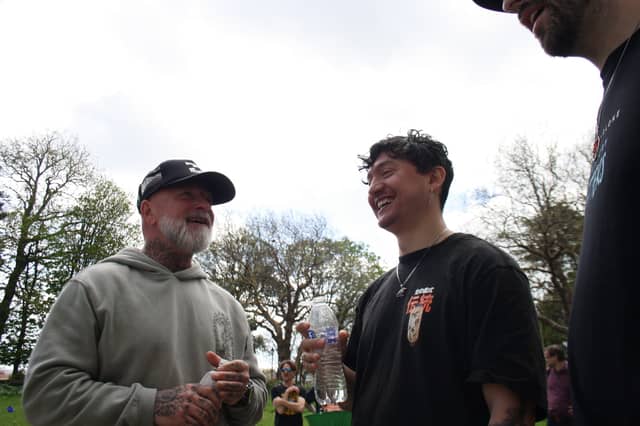

A Devon community organisation is challenging traditional approaches to men’s mental health by bringing people together through shared activities, friendships and a sense of purpose, rather than focusing solely on getting men to talk about their struggles.
Men need hope, purpose and a sense of belonging alongside traditional mental health support, a Devon campaigner has said, as a new report highlights the challenges facing men's health in Torbay.
Silver Levy-So, Media and Engagement Lead at Resilient Lives CIC, is calling for greater emphasis on early intervention, arguing that men should not have to reach crisis point before finding opportunities to build confidence, friendships and resilience.
His comments follow the publication of Torbay Council's latest Director of Public Health annual report, which examines barriers preventing men from accessing support and calls for a more joined-up approach to improving their wellbeing.
The report comes at a time of concern for the region, with the South West recording one of England's highest suicide rates.
For Silver, who has experienced mental health difficulties throughout his life and reached crisis point on several occasions, the importance of giving men hope is deeply personal.
He believes clinical services and traditional talking groups remain essential, but men also need opportunities to find support through everyday activities and shared experiences.
“You can't force men to get help, but you can promote hope, and offer opportunities for human connection,” he said.
Reflecting on his own experiences, Silver explained: “If I had been offered more hope previously, earlier on in my life, before I got to a point where I felt like I didn't want to be here anymore, I think the hope would have had the chance to overtake and overshadow the feelings of hopelessness.”
For Silver, hope can be found in something as simple as learning a new skill, cooking together or spending time outdoors.
“Maybe hope is sitting around a fire and chatting with guys and having a bit of banter, but also sharing maybe the first time that you've let your guard down, first time that you've let your shoulders drop, and men have listened to you, but you haven't felt pressure.”
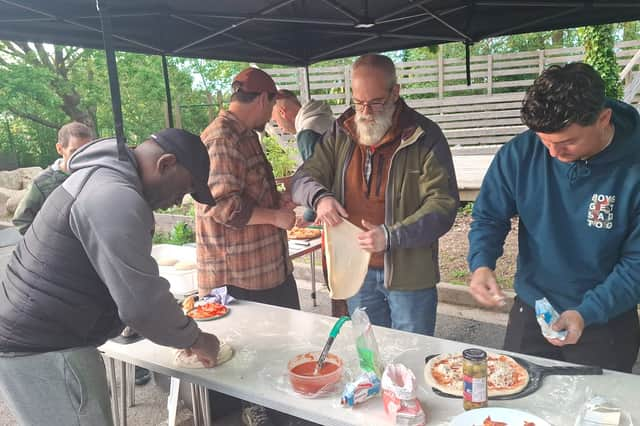
He believes shared activities can help men form friendships and open up naturally, without the pressure of attending something explicitly described as mental health support.
Torbay's public health report, published on November 18, identifies social expectations as one of the barriers affecting men's health, including the pressure some feel to provide financially for their families.
Director of Public Health Dr Lincoln Sargeant has recommended that the council works with partners to implement the government's national men's health strategy and identify men experiencing multiple complex needs, including poor mental health and substance misuse.
He said the aim was to create “a Torbay where men feel connected, supported and able to ask for help”.
Silver's own experience illustrates why he believes support needs to be available earlier.
He described spending approximately four and a half years on a waiting list before eventually being prescribed a group ecotherapy programme through mental health services in the South Hams, having initially sought help for severe anxiety and depression.
During that time, he repeatedly contacted services without knowing when treatment would become available.
“It leaves you feeling absolutely helpless and hopeless,” he said.
While recognising the importance of specialist treatment, he believes community activities could provide valuable support for those waiting for help and potentially reach others before their difficulties escalate.
His understanding of that approach comes partly from his own journey with Resilient Lives.
Founded in 2020 by Simon Dyer, the Devon-based community interest company works across Torbay, the South Hams, Teignbridge and occasionally further afield, supporting men, boys and young people through mentoring, practical activities and community programmes.
Silver, a self-taught photographer, filmmaker and visual storyteller, first encountered the organisation through Pizza Pirates, its social enterprise using catering and food preparation to help young people and others facing difficulties develop practical skills, confidence and a sense of purpose.
Having previously worked in catering and hospitality, he connected with the team before joining its Dough Bro's programme as a participant.
Dough Bro's brings men together to make and share wood-fired pizzas in a relaxed setting, encouraging friendships and conversations without pressure to discuss mental health.
The programme operates primarily in the South Hams and Torbay, with plans to expand across Devon in 2027.
Silver subsequently became a group facilitator and Media and Engagement Lead, helping deliver activities and raise awareness of the organisation's work.
In summer 2026, Dough Bro's won the Community Group Award at the BBC Radio Devon Make a Difference Awards, recognising its contribution to men's wellbeing.
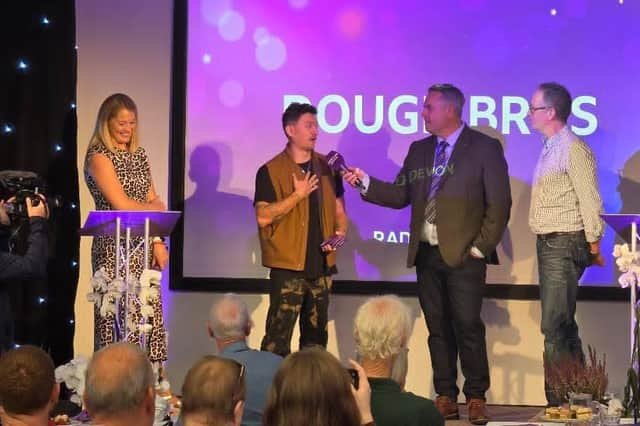
However, Silver said the recognition had not necessarily resulted in more men accessing its services, while limited funding and reliance on voluntary work continue to restrict how many people the organisation can reach.
“It's working on such a small scale,” he said. “Because we can only facilitate a certain amount of men at a certain time.”
He believes the next step is to offer more structured mentoring and practical workshops, including building for wellness, photography for mindfulness and other activities where men can learn skills and gain a sense of achievement.
While traditional talking groups have an important role, he argues that they will not appeal to everyone, and that offering enjoyable activities can provide another route into support.
For Silver, the challenge is no longer simply raising awareness of men's mental health difficulties, but turning that awareness into meaningful opportunities.
“We are aware of the issues that men have,” he said. “People are talking about it all the time.”
Rather than focusing on stigma or simply encouraging men to talk about their struggles, he wants to see more emphasis on activities that help people build friendships, discover new interests and develop a sense of purpose.
As Torbay considers the recommendations of its latest public health report, his message is that encouraging men to seek help must go hand in hand with giving them reasons to feel hopeful about the future.
“You can't force men to get help, but you can promote hope.”
Anyone struggling with their mental health can contact Samaritans free, 24 hours a day, on 116 123 or visit samaritans.org. Anyone in immediate danger should call 999.