

Retro Sport with Roger Mann: Our editor is a victim of Torbay's cricket war
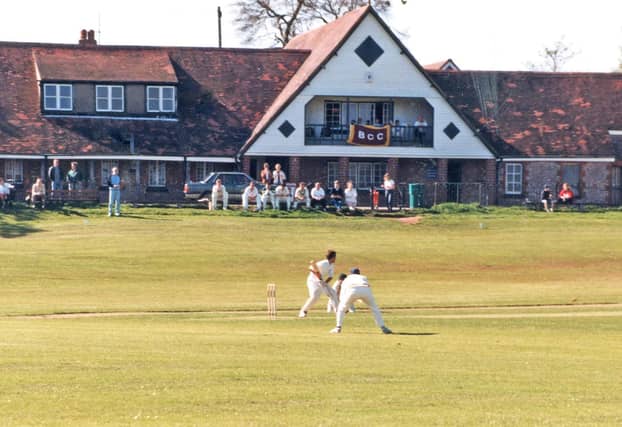

Torquay Cricket Club was founded in 1851, and, after playing at Windmill Hill for two years, moved to its first permanent home at Chapel Hill Cross, now known as Cricketfield Road. In its new environment, the club prospered, and its fixture list soon inc
Torquay Cricket Club was founded in 1851, and, after playing at Windmill Hill for two years, moved to its first permanent home at Chapel Hill Cross, now known as Cricketfield Road.
In its new environment, the club prospered, and its fixture list soon included some of the leading cricket clubs in England.
Its lovely thatched pavilion was extended to provide a full range of entertainments for its members, and its early years could not have been happier.
However, in 1906, the pavilion burnt down, and a few years later the First World War changed everything.
After the war, the council took over the ground, and most of the club’s prestigious fixtures were lost.
Eventually, in 1926, Torquay Cricket Club left the ground and moved to its present home at the Recreation Ground on the seafront, leaving its former home to the secondary school, and, eventually, to the newly formed Barton Cricket Club.
Although there seems no logical explanation for it, from that day to this, the two clubs have never got on well together, and matches between them are almost always bitter affairs.
I first played against Barton for Torquay Mid-Week Eleven, as a 15 year old and remember facing Bill Cassells that day.
Bill was not particularly quick, but every ball landed on a perfect length, and his follow through ended with a close-up stare which always seemed to me to be full of hate.
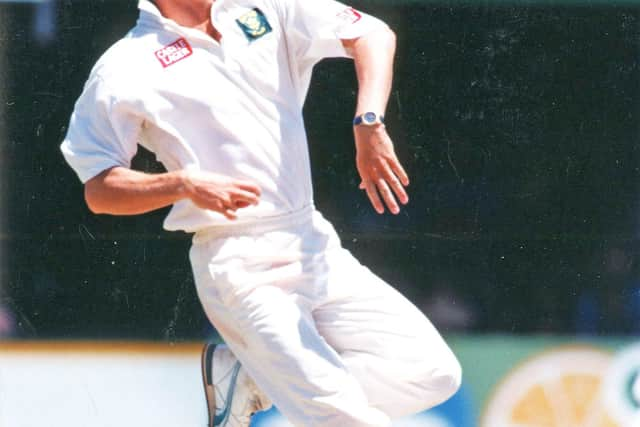
Fanie de Villiers, the South African fast bowler, was spending the summer with me, and had joined Torquay CC.
He was not a naturally aggressive person but, on the night before the Barton match, he told me that he had been given instructions to 'give them both barrels'!
I’m sure that Torbay Weekly’s editor, Jim Parker, will remember what happened next!
Early Barton wickets had fallen, and Jim came in at number five.
Almost immediately, Fanie peppered him with short balls, and, before long, bowled him a bouncer that nicked his glove and was caught, head high, by the wicket-keeper.
Although he was clearly out, Jim stood motionless as the umpire turned down the appeal.
The fielders, and Fanie, in particular, looked staggered!
Jim understands his cricket, and will have known that he was taking an enormous risk by not 'walking' if dismissed by one of the world’s fastest bowlers!
The following half-hour will live long in my memory!
Poor Jim was hit on the ankle, the forehead, and several times on the shoulder.
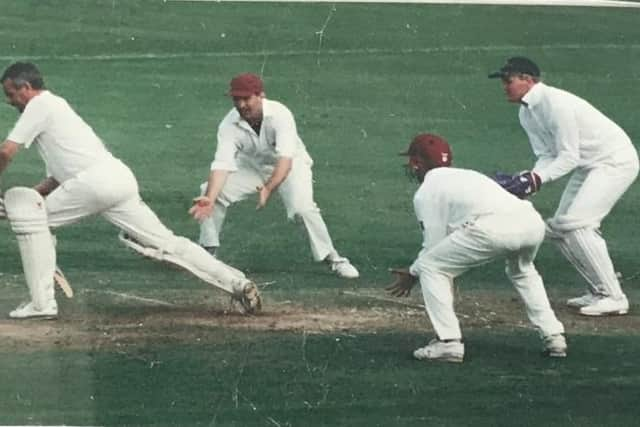
During the 1980s, and the 1990s, I witnessed Matthew Hunt of Torquay 'mankaded' when on 70 not out, Dave Carter of Barton being lifted up by his collar after an argument in the changing rooms, and Guy Sewell of Torquay being run out while stood with the umpires awaiting a decision on a 'six' hit.
In those matches, no second chances were given, nor any expected.
Sledging was almost constant, and I remember playing at Barton and being told: “Manny, there’s some “s**t” on the end of your bat.”
Being a naïve teenager, I lifted my bat to inspect it only to be told: “No! On the other end!”
I probably deserved it but have never forgotten how stupid I felt!
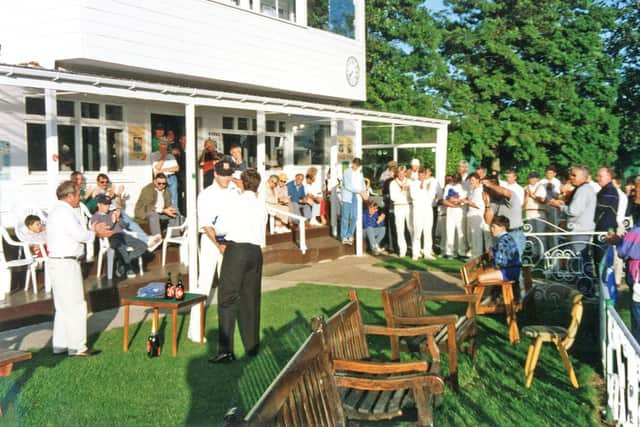
'Man of the Match' awards were presented each year, and that spotlight seemed to improve things, at least on the surface.
Although I am no longer in touch with the finer workings of Devon League cricket, I guess that this bitter rivalry still continues today.
For me, such memories are full of sadness but at least they don’t come with the pain which our editor must still feel today!