

Retro Sport with Roger Mann: Devon cricketers enter the 20th century
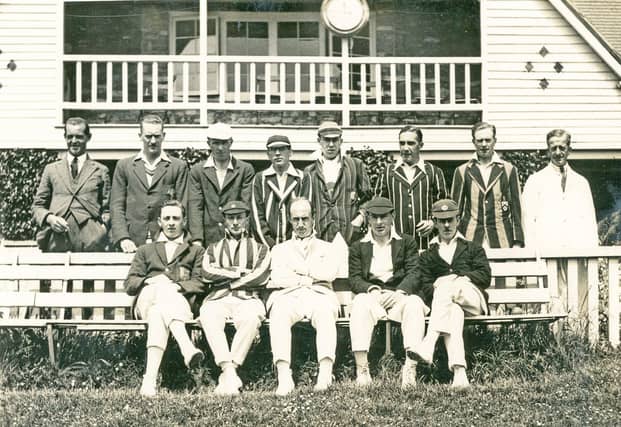

As Devon cricket neared the dawning of the new century, it found itself in a very different state than it had enjoyed in Victorian days. Gone were the ladies' tea dances, and the chatter of the privileged on the pavilion balconies. Times had changed rapi
As Devon cricket neared the dawning of the new century, it found itself in a very different state than it had enjoyed in Victorian days.
Gone were the ladies' tea dances, and the chatter of the privileged on the pavilion balconies. Times had changed rapidly and the local aristocracy had found new places to gather.
Their departure meant that membership fees plummeted and running costs had to be recovered from the players who were in no position to afford them.
By the end of the 1890s, Torquay Cricket Club’s fixture list had become so dull that it included home and away fixtures with Montpelier School and Weston School.
In 1900, the team it fielded against RNE College was described as 'feeble', and a match was not won until Kingskerswell visited Cricketfield Road in July.
In September, one year short of its 50th anniversary, the unthinkable happened, and the annual meeting voted to dissolve the club!
Frederick Miller, the vice president, and Agatha Christie’s father, sent a letter to the Torquay Times explaining the reasons for the committee’s decision.
He blamed inadequate support, a reduction in subscriptions, and rising maintenance costs which resulted in an income of £90 and costs of £150.
The ground was acquired by Mr Little, who owned Weston School, and it wasn’t until 1903 that the Mayor of Torquay encouraged the club to re-form 'for the good of the town'.
Mr Little agreed to offer the ground as long as the new club’s constitution stated that it would not tolerate either class distinction or prejudice.
This new mood affected cricket clubs everywhere, and even the MCC concurred by appointing Pelham Warner, a very unflamboyant batsman, to captain its team to tour Australia.
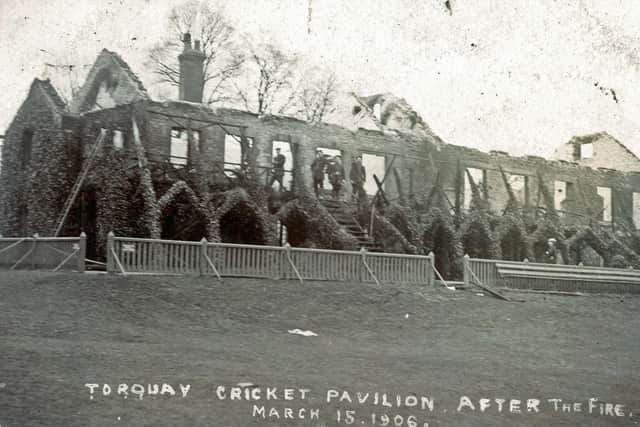
And then, on one awful day in March 1906, the members of the new Torquay club woke up to find that its lovely wooden, ivy-covered, pavilion had burned to the ground!
Meanwhile, other long-established cricket clubs like North Devon, and Exmouth, continued to survive because they had opened their doors to the new client base.
The only Devon club to retain its Victorian exclusivity was now Teignbridge, which still required two references with every membership application.
The club was so proud of its reputation that its committee could never adjust to the new century, and, in May 1910, after 87 years, this magnificent club finally yielded to the inevitable, and Devon cricket had changed for ever.
Whenever I walk past Cricketfield Road these days, I think of Agatha Christie’s father, Frederick Miller.
During 16 years of arranging theatrical shows for club funds, he constantly warned the committee against thoughtless spending.
In the end, as club vice president, it was he who had to write the letter announcing the club’s dissolution in 1900.
Sadly, he did not live long enough to see the club’s re-birth in 1903.
During World War One, very little cricket was played in Devon, and Cricketfield Road was acquired by the corporation, and allocated to the secondary school.
Torquay Cricket Club re-formed again, but were not allowed to charge at the gate. Ultimately, in 1925, the club moved to its current ground on the seafront.
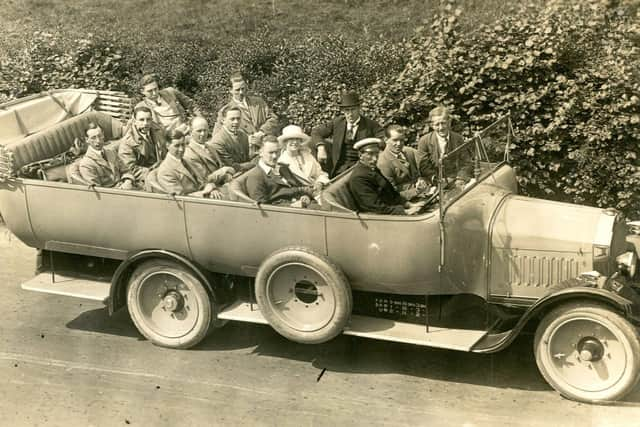
Touring teams now arrived by road, and the club ladies had begun preparing teas.
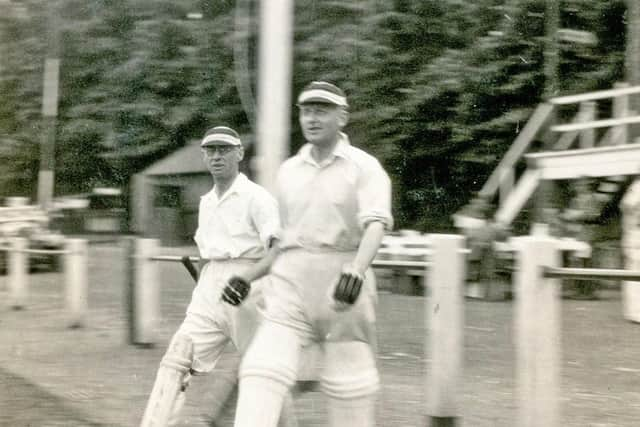
It wasn’t until after the Second World War that cricket truly became a sport for everyone.
For the first time, coaching was available to all youngsters, and national schemes could be accessed.
Finally, when Len Hutton was appointed as England’s first professional captain in 1952, the sport, at last, shrugged off its overcoat of privilege.
It had taken 200 years to do it!