

The soundtrack of Torbay: How music shaped the Bay through the ages
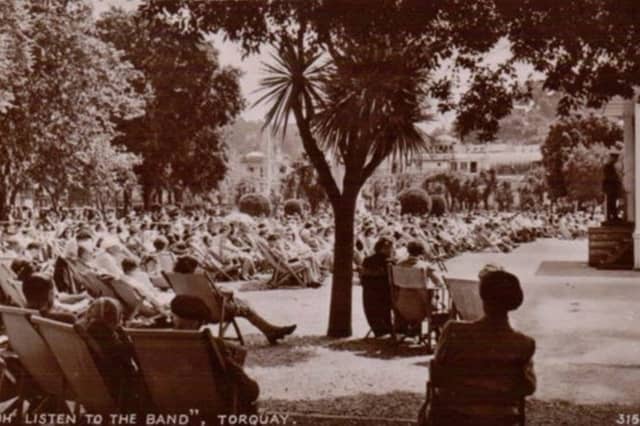

Every era leaves its own soundtrack. This look back at Torbay's musical past explores how changing tastes, tourism, technology and culture have shaped the sounds of the Bay
We use music for dance, ritual, entertainment, both personal and communal, and for social cohesion. And we’ve been doing so as long as we’ve been human.
Even before we learned any form of language, our ability to emit sounds of variable pitch with meaning shows that, at its simplest level, music likely predated speech.
Giving a timescale on how long we’ve had a Torbay soundtrack, handaxes found in Kents Cavern are perhaps 600,000 years old, while the earliest European evidence of actual music comes from primitive flutes made of bone that are 40,000 years old.
We still sing folk songs in Torbay that date back to the time of the Anglo-Saxons, melodies created by ordinary people and shaped by events in their lives. Since most local folk couldn't read or write, they handed down their music orally, one generation to another, the tunes and even the words changing depending on the place they were performed. For example, songs sung by sailors and fishermen revealed their homesickness and hope for safe journeys while rural folk sang of their lives in villages and farms.
A parallel tradition came through the devotional harmonies of the Bay’s churches and chapels; and from 1196 to 1538 in the sophisticated international music of Torre Abbey.
During the nineteenth century Torquay was transformed from a collection of small rural and farming communities into a new type of town, the tourist resort. These resorts were important locations for an emerging leisure culture and they presented a variety of commercial music for those eager to spend their wages on pioneering versions of mass entertainment.
Music was then an essential component of the panorama of attractions, from the promenade military bands playing to their deck-chair audiences to the minstrels and Pierrots of music-hall and variety. This was a very professional offering, with summertime musical opportunities filling in a skilled performers’ calendar when regular engagements weren’t available in the cities.
Over time, music consumption became stratified by class and behaviour. As the resorts matured, increasing numbers of visitors arrived, first clerks and shopkeepers, then the more affluent working classes. Particularly disturbing to a staid resort such as Torquay were unruly young people with wages to spend but few responsibilities.
These new audiences caused an evolution of the town’s soundtrack. For much of the nineteenth century opera and classical concerts were listened to across the social spectrum, but the accessibility of sheet music and a fading of interest in upper-class lifestyles created a ‘middlebrow’ musical culture. And so, during the early 1900s, the market shifted with opera and classical becoming seen as ‘highbrow’. In Torquay we see this in the way that the 1909 Scala opera house was never used as intended. As an example of this cultural change, we have the popular song written by Mark Sheridan in 1909, ‘Oh I do Like to be Beside the Seaside’.
Hosting entertainment for decades was the art nouveau-styled Pavilion, ‘Torquay’s Palace of Pleasure’, which opened in 1912 to provide “adequate musical and other attractions for visitors to Torquay”.
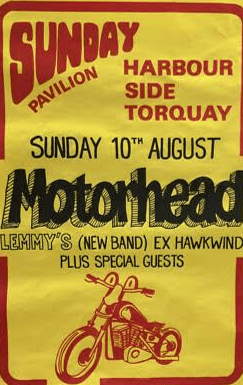
The Pavilion had its own twenty-five-piece Torquay Municipal Orchestra, but it wasn’t the only live music option. Across town venues varied, as did the size of orchestras, with around a dozen players in a typical ensemble. All knew their audience and offered contemporary easy listening.
These orchestras helped launch the careers of conductors and musicians bound for later success. In 1912, for example, Basil George Cameron Hindenburg, the son of a German immigrant family, began conducting in Torquay. Alongside more popular seaside favourites, he included music by Delius and Stravinsky and, in 1913, organised festivals dedicated to the music of Wagner and, a year later, Strauss. Incidentally, in 1914, at the start of World War I, he dropped the German-sounding part of his name.
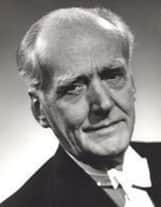
Then the Great War changed everything. Classical music declined as revues, ragtime, blues, and jazz became more popular. The Holidays with Pay Act of 1938 further influenced Torquay’s soundtrack as millions of workers found the time and money to take a holiday. Once the preserve of the better off, coastal destinations became accessible to ordinary working-class families who brought their purchasing power with them.
Seeing one of the big shows was an established part of a holiday. Two or even three times a day, the nation’s best-known performers played to packed houses. Most shows would sell out every performance as every week the audience was refreshed by more arriving trainloads of tourists. Often running for sixteen-week seasons, early June through to late September, visitors could see variety shows with half-a-dozen acts with a star heading the bill. The shows were designed to be comfortable and familiar and generally replicated their hometown variety theatres.
By the early 1950s the ballroom circuit had taken dance culture from its aristocratic origins to working- and middle-class audiences. Dancing to a live band was massively popular; three million people in England alone went to ballrooms every week. Yet, by the mid-1950s, a younger generation had abandoned big band music and moved to skiffle music, and later rhythm-and-blues and rock ‘n’ roll. This new music also introduced new technologies and conventions for dancing and socialising, such as jukeboxes and the far-cheaper disc jockeys who played recorded music for an audience. By the early 1960s ballroom managers began laying off many of their resident dance bands and replacing them with one man and a record player.
During the late 70s and early 80s the flow of tourists began to lessen with holidays abroad becoming more accessible. The summer seaside season faded and tastes in entertainment changed. Declining audiences, increasing costs to book entertainers and scheduling competition from film and TV then reduced the pool of talent willing to perform over the long summer season.
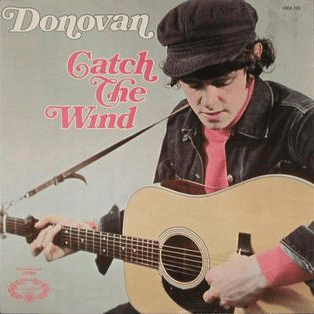
But, away from the promenade and the Strand, far-reaching changes in society could already be seen in an emerging counterculture in the town’s back streets. Pubs such as the Melville Inn and the Rising Sun became the centre of an alternative music scene, the most famous example being Scottish singer-songwriter Donovan; the song 'Catch the Wind' was written in the singer's Abbey Road bedsit in 1965. Indeed, in addition to embracing new music, the Bay would export its own innovators. Formed in Torquay in 1969, Wishbone Ash, for example, achieved huge international success in the early to mid-1970s.
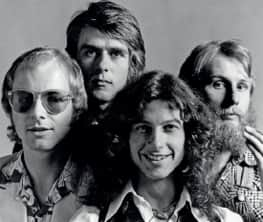
Documenting the past half-century of music in the Bay is local filmmaker John Tomkins. His film ‘Music Scene Memories at Torquay Town Hall’ has at its centre Lionel Digby, the Bay's music promoter throughout the 60s and 70s. Lionel not only brought some of the biggest bands of the time to Torbay but also gave local groups an opportunity to perform. This well-worth-watching film was recently followed up by ‘Torbay's Music Legacy - 5 Decades of Sound’, a feature-length documentary celebrating the live music scene across Torquay, Paignton, and Brixham.
Music can also, of course, profoundly affect the lives of its audience, particularly in those teenage years of having a favourite genre and maybe an associated fashion choice or lifestyle. For an illuminating glimpse back at a specific period, we have Torquay author Steve Honeywill’s fictional novel, The Clubs, set during the New Romantic era in early 1980s Torquay. Many of the locations may likely be familiar if you were around at the time.
Whether played or sung for pleasure, worship, entertainment, profit or patronage, the Bay’s soundtrack remains immensely diverse. It is the enduring background to the lives of us all, visitors and residents alike, and reflects and shapes the landscape of our lives.