

Summer gardeners urged to make the most of the season
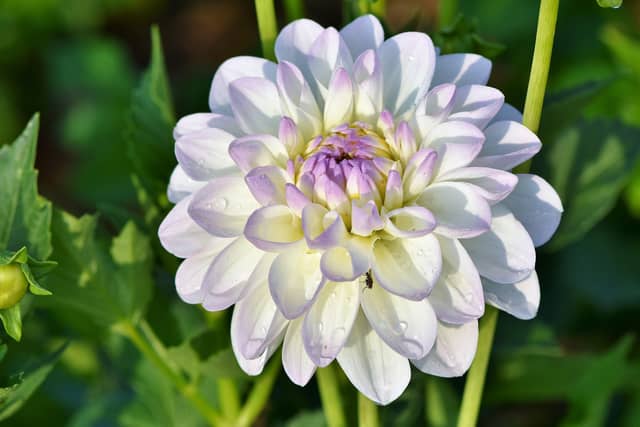

With the summer solstice now behind us, gardeners are being encouraged to make the most of the growing season by planting dahlias, pruning shrubs, sowing flowers and preparing fruit crops for a productive and colourful late summer.
We’ve now passed the solstice which marks the halfway point of the summer. This is n’t mentioned to depress you, just an attempt to galvanise us all into gardening action. It’s time to stop what you’re doing and get out into the garden. Dahilias can be planted in borders now and fed either a mulch of well rotted manure or a liquid feed. They re going to need all that potassium in particular to produce endless ornate saucer sized blooms. Taller dahlias will need supports in place. Thin stakes are useless, you’ll need inch square ones or the cast iron purposely bent ones. This way you’ll be able to pick more flower heads that will inevitably keep on coming, sometimes until early November. Delphiniums, Achillea and Lupin types can be cut back now when the flowers start to wane and become limp and insipid in colour. Mulching around the base after cutting back then watering will give the plants every opportunity to regenerate for next year. You could start a little nursery bed in a forgotten corner now and sow Alyssum, Coreopsis, Chrysanthemums, Phlox and Canterbury Bells. All these are classic garden flowers that can be sown thinly in straight drills leaving enough room to manipulate a hoe in between. It’s also time for a touch of sensitive pruning of shrubs. Those that flower at the end of shoots such has lilac or rhododendron don’t need much looking after at all. Only if they start to look ‘leggy’ or weak then prune it back into shape with the secateurs after flowering. Those that flower along stems can be cut back harder. Forsythia is a good example of this. They will then start to create new stems for plenty of flowers next summer. The third category is the bushes that flower on older wood along short spurs. Leave these well alone until winter and the colder weather.
On the Plot
Fruit is starting to set and in some cases ripen. Sour cherries will need a bucket of water dropping under then for the final push to fill fruit with that sharp, floral juice we love so much. You could have an annual competition to see who’s face wrinkles first on sampling one, but they are best made into a hot sauce to put over ice cream.
Other stone fruit like peaches and apricots need to be thinned out once they’ve clearly set. Setting is when the fruit is pollinated and transitions from a flower to a fruit. (the ovary swells up into a tiny fruit.) If you want half decent sized fruit then you’ll need to remove some of the tiny fruits by using your hand as a spacing guide leaving one every hand width. Any side shoots at weird angles or crossing over can be removed while you’re at it. If you’re growing them against a wall, cut away shoots growing away from the wall. Nobody wants that.
Keep an eye out for pests on fruit trees by doing a quick health check here and there for aphids and diseased leaves or branches. Gooseberries can also be thinned out, most people use them for preserves, but if you leave a select group on the plant they become much larger and sweeter as a result.
Strawberry plants need to be composted after three years. They get incrementally less fruits every year. Start a new cohort for next year now by pinning down the best runners and removing anything else. Either pot them up later in the year or plant them in the old potato bed that’s been heavily mulched with home made compost or something well rotted. Fortunately the rain has helped most things but it does mean we have to work the hoe through the top layer of soil to skim off weeds. If done regularly this is no hardship and can be enjoyable.