

July in the Garden: Thrive Through the Heat
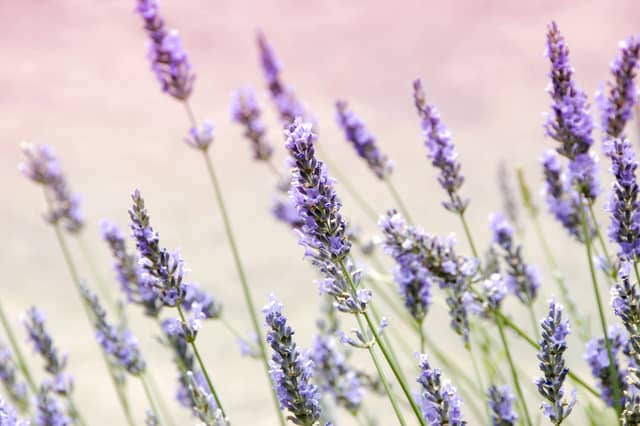

With dry weather favouring lavender and vegetables, discover the seasonal jobs that will keep your garden looking its best
In the Garden
Gardening in a heatwave can be like overseeing a military operation in terms of supplying water and timing sorties to coincide with cooler times of day.
The last half a decade has been consistently favouring Mediterranean, or plants that love dry and arid conditions. At least the weeds are being kept in check and there is less anxiety about them given the beds are a dustbowl.
One plant that is enjoying the sun is the ubiquitous lavender. The reason I’m mentioning this is that its the perfect time to be taking lavender cuttings.
Given that year old lavender plants can cost around £15 in some places, you can quieten the ding, ding, ding of the cash register by doing what garden centres do. The more you propagate, the more you save.
Some shoots lower down the bush will not have flowered as they’re too young but are turning woody at the base or semi-ripe. Cut these at the base and remove the lower leaves, leaving what looks like a mohican on top. Trim the base of the stem below an emerging bud or bump. Take more cuttings than you need as some inevitably won’t survive the process.
Slot them around the outside of a pot you’ve filled with well draining compost . If kept moist they’ll root and have grown more foliage in around two weeks time. This is when you can switch them over to individual pots. It’s so easy and so very cost effective as your hourly rate would be the price of all the plants you’ve grown.
This technical bit of gardening could easily be the start of a lavender hedge that can add to a path. Admittedly it will only reach maturity in around three years, but as we all know, this will arrive in no time. Slowing down life is something we all might aspire to and this is a great example.
Imagine the satisfaction of running your fingers through the beautifully scented elevated lavender flowers knowing where they came from and that they cost nothing.
On the Plot
Don’t put off pruning the cherry tree. Many people have the Morello variety which is a prolific cropper where you can at least share some fruit with theblackbirds. It’s perfect to prune after its fruited and straightforward.
Completing this task later in the year will leave the tree vulnerable to canker or silver leaf disease which can be fatal (to the tree!). Even with a mature tree it’s not that technical. Cut back, with recently sharpened loppers, anything growing downward or too far outwards. Morello’s fruit on last years wood so leave alone anything growing upwards.
Think about these shoots covered in blossom next spring that will indicate fruit production next June.
On the ground, carrots can benefit from the dry spell by going through the bed on your hands and knees and easily removing perennial weeds, thinning carrots out as you waddle past. In damper times, carrots could easily be overwhelmed by weeds and choked or have nutrients stolen, leaving them to produce spindly root veg so it’s a bonus to have them weed free.
It’s one of the few times a year I use the tiny swan necked hoe, which is a pleasure in itself. You can then spot water them carefully early in the day.
The same process can be carried out between beans and peas to increase the chances of fat, round legumes.
Leeks will survive with small rations of water until the rainy season arrives, as will other veg if you water directly at roots in cooler times of day.
The garden is the place to be in July. it’s too hot to even want to leave the house at times, so find a cool, shady spot where you can sit with a cool drink and spend intermittent time there between well timed sorties to weed and water.