

Why I want to be part of the 'Eyes Along the Coast'

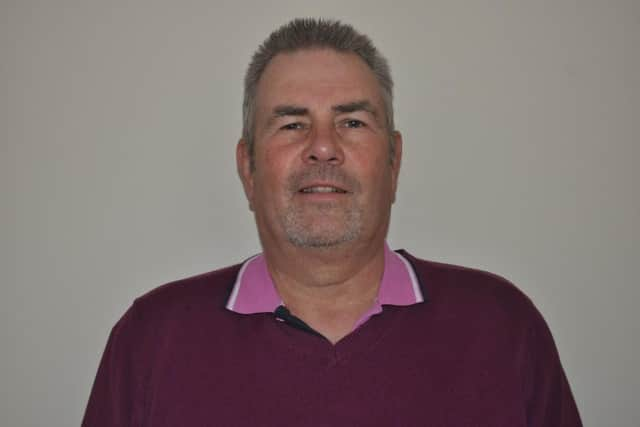
John Sherlock is used to keeping his eyes on the end of a fishing line to make sure he doesn't miss that all-important nibble John will be well-known as the Torbay Weekly's angling correspondent and has been bringing all the fishy news that matters to ou
John Sherlock is used to keeping his eyes on the end of a fishing line to make sure he doesn't miss that all-important nibble
John will be well-known as the Torbay Weekly's angling correspondent and has been bringing all the fishy news that matters to our angling lovers since we launched the newspaper three years ago.
Now he also has his eyes on something else at sea...as a Coastwatch volunteer.
Here he explains why he has signed up.
We all know of the RNLI and the wonderful job that their volunteers do. They are not however the only volunteers giving up their time to keep our coastline safe for all.
Whilst on holiday in Dorset last year my wife and I walked to St Aldhelms Head and there we found the old Coastguard lookout building high on the edge of the cliff. As a sea angler and someone who is fond of the sea I approached a uniformed person to ask some questions about some of the craft we could see. After about ten minutes of explaining he told me that they were the National Coastwatch Institute, a voluntary organisation watching the coastline 365 days a year in all weathers helping to keep our coastline safe. This gentleman suggested I volunteer, and so began my journey.
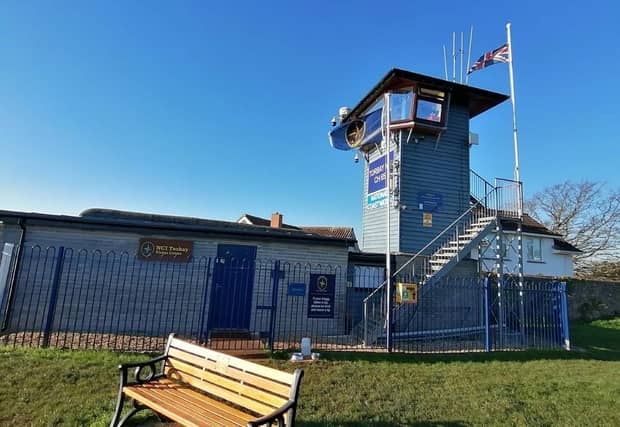
Back in South Devon, I found that my local NCI stations were located at Teignmouth, Torbay, and Froward Point. The nearest being Torquay. After contacting them via their website torbaynci.org their training officer Chris Hill met me at their lookout tower on Daddyhole Plain to show me around and explain in a little more detail what being an NCI watchkeeper involves, the equipment used and how they help other Search and Rescue organisations. Then came the obvious question, did I want to join? Of course the answer was yes and just a few weeks ago I started my training.
The classroom sessions are held at the visitor centre at the station on Daddyhole Plain with only a small group of people. My group consisted of one lady and three men all of who were retired and had plenty of spare time on their hands. You do not need to be retired as the only requirement is two watches per month and training can be geared to your work hours.
The training is very relaxed and starts with a history of the NCI, its expectations of the volunteers and the uniform we will be required to wear when qualified. All the usual housekeeping items such fire extinguishers, power failure and health and safety etc are covered, as well as equipment used. Local knowledge is covered, it is important to know all headlands and major landmarks along our coast are as they are useful when directing Search and Rescue services to an incident and when reporting incidents to the Coastguard.
The weather tides and chartwork all play an important part of a watchkeepers shift, although these were subjects I had a good knowledge of I very much enjoyed these as they involved a good amount of practical work and a refresher is always a good idea. Discussing some of the aspects of these with my fellow trainees showed how much ideas can vary when trying to judge certain weather conditions such as the wave and swell height.
That has taken me about halfway through my classroom training and I am looking forward to the last couple of sessions and the start of my training watches.
Hopefully in a couple of weeks I can tell you all how the training and training watches are going and a little more about the organisation. If in the meantime you want to know more please look on the website above for the local group or the National website for more of what is happening around the country.