

Torquay Museum reflects on when skiffle was number one

As part of Black History Month and linked to Torquay Museum’s latest exhibition Made to be Played: A Festival of Musical Instruments, we are reflecting on the short lived but hugely influential musical explosion of the 1950s that was skiffle, writes BARRY
As part of Black History Month and linked to Torquay Museum’s latest exhibition Made to be Played: A Festival of Musical Instruments, we are reflecting on the short lived but hugely influential musical explosion of the 1950s that was skiffle, writes BARRY CHANDLER, engagement and collections manager at Torquay Museum.
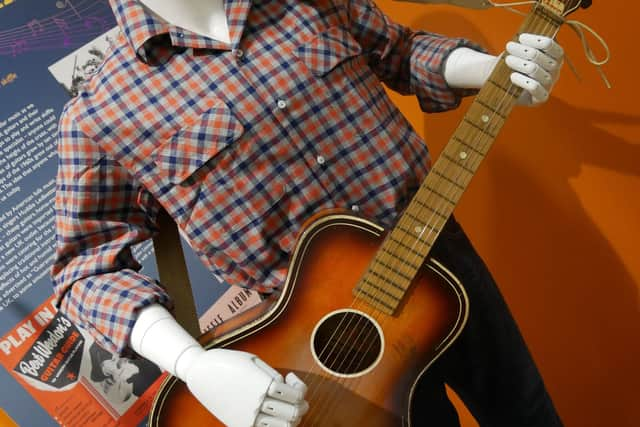
As you enter the museum's latest exhibition, you are met by a mannequin in 1950s dress, displaying a guitar.
The mannequin represents a 16-year-old John Lennon and the guitar, a Gallotone ‘Champion’ from the 1950s, was the model he first owned and is pictured playing with the skiffle group, The Quarrymen, in July 1957.
Three events happened to bring John and this band together - the release of Bill Haley’s Rock Around the Clock in 1954, the release of Rock Island Line by Lonnie Donegan in early 1956 and the debut single of the most influential person in popular music until the Beatles themselves, Elvis Presley.
Black musicians and the rhythm and blues music of the pre-war era heavily influenced all these artists, but it was skiffle that caused a revolution among the, mostly male, youth of the 1950s.
Skiffle is a genre of folk music with influences from American folk, blues, country, bluegrass and jazz.
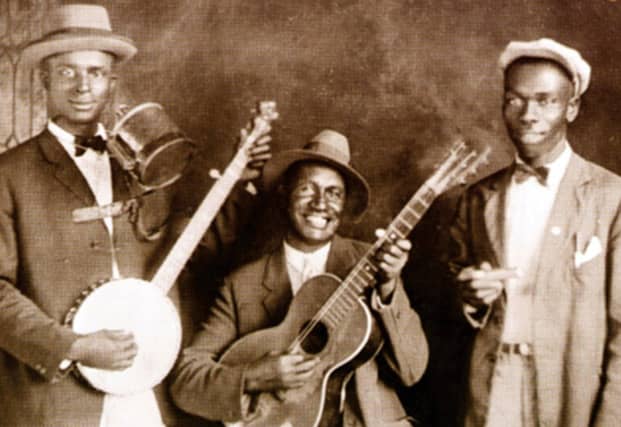
Its origins are obscure but appear to lie in the African American musical culture of the early 20th century.
Improvised jug bands playing blues and jazz were common in the American South at this time. They played a variety of instruments including washboards, jugs, washtub bass, cigar box fiddle, comb-and-paper kazoos and the acoustic guitar and banjo.
The term skiffle was first recorded in 1920s in Chicago and was thought to have brought there by the migration of African American workers to the northern industrial cities.
It then disappeared from American music in the 1940s.
Lonnie Donegan was its greatest proponent and the song that started it all was a fast tempo version of American folk and blues singer, Lead Belly’s Rock Island Line.
Skiffle was revolutionary because it was played on the sort of instruments anyone could play.
Even the hardest instrument, the guitar, could be mastered with a few simple chords.
Like punk rock in the 1970s, skiffle inspired a generation to revolt against their parents, to get up and form bands.
It is estimated that by the late 1950s there were between 30,000 and 50,000 groups in the UK.
Its legacy on popular music and our culture is enormous.
Many of the UKs most-famous and influential musicians started in skiffle bands - Van Morrison, Ronnie Wood, Mick Jagger, Roger Daltry, Jimmy Page and Dave Gilmore and that’s not to mention The Rattlesnakes and The Quarrymen who became The Bee Gees and The Beatles.
Discover more about skiffle and see some original instruments in Torquay Museum's Made to Be Played Exhibition, which runs until March 11.