

The Little Theatre with big ambitions


Although the plight of Oldway or the Pavilions remains a point of discussion and debate in the Bay, the success story of St Mark's, now the Little Theatre is often overlooked
While the struggles of some of Torbay’s most iconic buildings are widely discussed, one hidden gem often escapes the spotlight.
Although the plight of Oldway or the Pavilions remains a point of discussion and debate in the Bay, a success story of community, heritage preservation and local history continues to play out at the Little Theatre on St Mark’s Road, Torquay.
However, the theatre has now launched a fundraiser to carry out some vital repairs, starting with a car park upgrade.
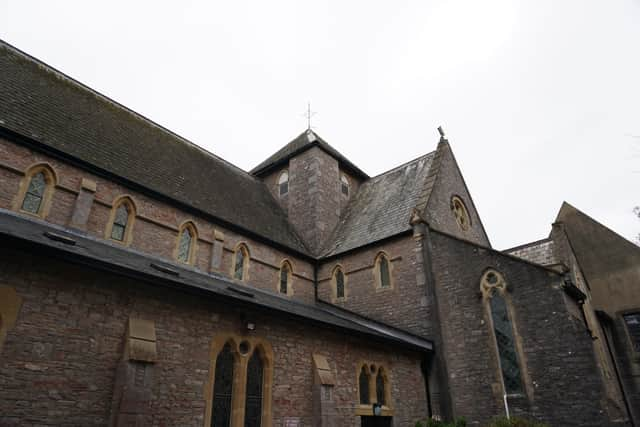
Having operated for over 100 years, the church was closed in 1973 and the parish, along with that of Holy Trinity at the bottom of Meadfoot Road, was merged with that of St Matthias in Wellswood.
Beginning in the 1980s, the project was entirely self-funded and paid for with a mix of fundraising, ticket sales and a bank loan of £30,000, which was repaid in the first season.

By 1957 the amateur dramatic group had already put on 100 shows, including highly successful performances that ran for weeks at a time. However, the group needed a home, as a large proportion of the profits from shows were going into hiring theatres and transporting the ever-growing store of props and costumes.
It was at this point that the opportunity to buy St Mark’s came about. A massive fundraising effort was launched, which included a sell-out run of the play ‘A Bedfull of Foreigners’, that ran for 17 weeks over the summer of 1985, and raised £40,000.00 towards the purchase of the Little Theatre.
Having bought and converted the building, St Mark’s became the Little Theatre, opening in 1988 with the aptly chosen play ‘Great Expectations’, which was also TOADS’s 400th production.
Now the histories of both TOADS and St Mark’s have become entwined. Walking through the little theatre, you can see this rich and connected history both front stage and back.
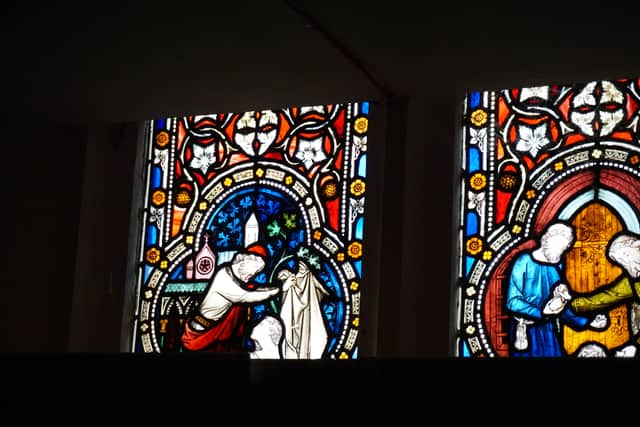
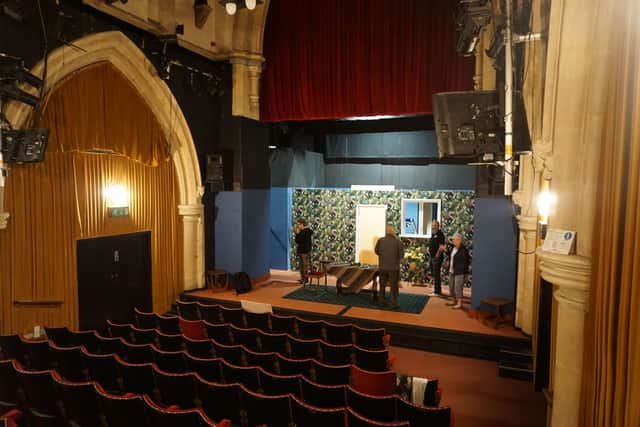
Throughout the building, glimpses of ornate stained glass windows and huge archways present themselves. The 240-seat main performance space makes up the centre of the church, while the bar has been created from the old choir stalls.
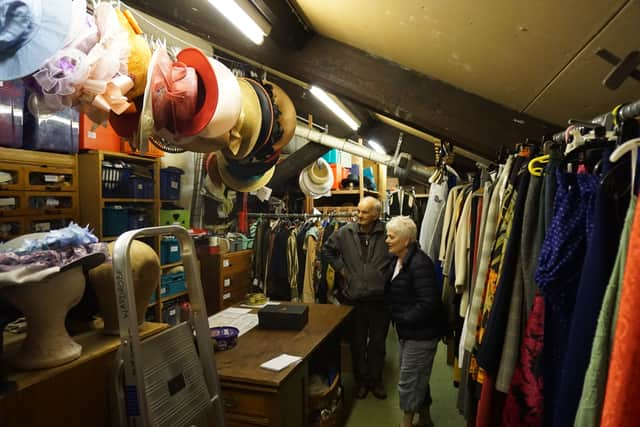
Throughout, the Grade II* listed building is kept in fantastic condition, all thanks to the success of the group and dedication of its members.
Almost all of the 185-strong members are volunteers and TOADS operates as a charity. TOADS Theatre Company presents a different play every month of the year, and also engages in a variety of community events, from memory clinics to social gatherings.
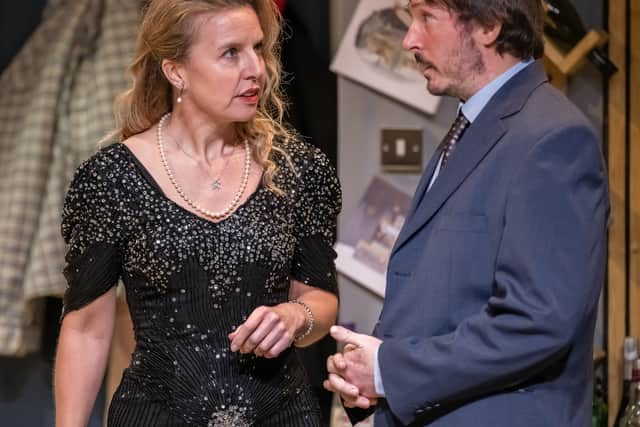
A spokesperson for TOADS said: “The success of this place is because of the members' efforts, not one individual person.
“Some of the plays we put on are absolutely outstanding, but we try to go further than that and be a cultural hub for the community as well. It’s a labour of love, there’s an amazing cross-section of people here, some people have a theatre background but a lot of people don't; they have all sorts of skills. We have people that come in to do a little bit of painting and they end up directing plays!
“TOADS is a vehicle to allow you to go where you want to go.”
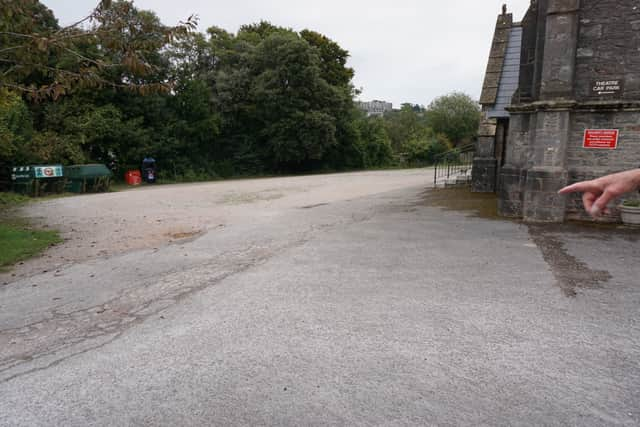
Now, the theatre is embarking on a series of major renovation projects, the first of which being the resurfacing and enlarging of the car park.
With no lines and the gravel crumbling to dust due to heavy use, the restoration of the car park is important for safety and appearance reasons. Putting lines in will also help to make a safer car park with a higher capacity. As the land that the car park sits on is also listed, the work must be carefully planned and carried out in a way sympathetic to the building and in accordance with Historic England’s rules. Careful attention must be paid to drainage, which is a particular issue in this part of Torquay.
Some initial quotes put the price of the work at about £100,000 and TOADS are already putting in the work to fundraise.
The first major fundraiser is a cabaret gala evening on October 26-27, which will feature the Little Theatre’s greatest singers and actors performing in a one-off cabaret show. Tickets are £20 and all proceeds go to the car park.
To donate to the Little Theatre’s fundraiser, go to: https://gofund.me/7836808b.
Find out more about TOADS, the Little Theatre and the cabaret evening at the website: https://www.littletheatretorquay.co.uk/.