

River Dart revealed as Devon's best spot for wild swimming

With internet searches for ‘outdoor swimming’ increasing by 427 per cent last summer, Devon's best place to go wild swimming has been revealed. According to outdoor adventure experts at Blacks, the River Dart is the top place in the county to enjoy wild
With internet searches for ‘outdoor swimming’ increasing by 427 per cent last summer, Devon's best place to go wild swimming has been revealed.

Second place is Gaddings Dam, in West Yorkshire, surrounded by stunning beach and marshland views.

Located on the fabulous Ullswater, the Kailpot Crag is a regular cliff diving spot - and the UK's third best spot for wild swimming.

The 7 best wild swimming spots in the UK:
Rank | Swim | Region |
1 | Blue Lagoon | Snowdonia |
2 | Gaddings Dam | West Yorkshire |
3 | Kailpot Crag | Lake District |
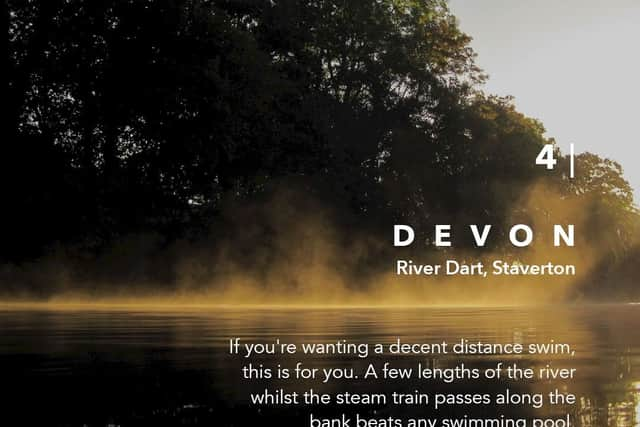
4 | River Dart | Devon |
5 | Lower Ddwili Falls | Brecon Beacons |
6 | Goldiggins Quarry | Cornwall |
7 | Skye Fairy Pools | Isle of Skye |
Natalie also has top tips on how to stay safe while wild swimming. She said: “While it may be tempting to jump into a body of water in these temperatures, it is important that you understand your swimming abilities. Wild swimming can be and is very dangerous if you have not trained properly.
"Always pay attention to 'no swimming' signs and even if you have been swimming in the same spot for years, always be cautious, as open bodies of water can change significantly- even in a short period of time.”
Be aware of your own swimming abilities
Unlike a pool, open water is not labelled as a 'shallow end', making it difficult to know how deep water is. Always check the depth of the water, even if you visit the same spot regularly. With no awareness of how deep the water is, you really should not be diving into it.
While waterfalls are stunning to look at, they won’t be kind to you if you jump into the landing area. The undercurrents directly below a large waterfall or weir could hold you under and you may not be able to surface.
Wear goggles where possible
Water in the sea can lead to limited visibility. If the water is clean, and it's safe to dip your head under, take extra precautions and wear goggles where possible, and only take a dip if there are signs around saying it is safe to do so. Do not ignore the ‘no swimming' signs.
Keep your head above the water if unsure about the cleanliness
Snails, rats and algae can breed and release parasites into open water, which can lead to bacterial infections like Leptospirosis and ‘swimmer’s itch’. Be careful not to swallow the water, keep your head above the water, and cover up any open wound with a waterproof plaster.
Take precautions if swimming alone
Wear a life jacket or trail a float behind you on a cord if you choose to front crawl and breaststroke solo for the day. If you get a leg cramp, shout for help, lie on your back and paddle back to shore with your arms before the pain becomes overwhelming.
Take note of the water temperature
Open water is usually colder than water in a pool, which can affect swimming ability. According to Avon Fire and Rescue Service, cold water removes heat from the body 32 times faster than cold air causing cold shock - gasping, cramps, inhalation of water, heart attack, stroke and rapid drowning. Don't be fooled by the sweltering weather - dress for the water temperature, rather than the air temperature.
Do not kick or thrash if you encounter weeds or underwater obstructions
When swimming in open water, swimmers must be aware of the spaghetti-like weeds lurking beneath your feet. They could snake around your ankles or up your leg and pull you under, causing swimmers to panic. If you do encounter some, slow your swim speed right down, don’t kick or thrash, and either float on through using your arms to paddle, or turn around slowly.
Do not run near or around a lake or river
One of the most common dangers of swimming in a lake and outdoor swimming are the slippery rocks which make it too easy to lose your footing. Never run because you do not want to risk hitting your head. Go barefoot to get a better grip or wear plimsolls with a rubber sole. A head injury while in or near water could be fatal if you pass out in the water.