

Recollections of a Collections Collector at Torquay Museum

By Barry Chandler, collections manager at Torquay Museum The title of this week’s article comes from the BBC comedy show, Detectorists. At the end of an episode, Lance recalls: “My mate Paul, he collected collections. Wrote a memoir - ‘Recollections of
By Barry Chandler, collections manager at Torquay Museum
The title of this week’s article comes from the BBC comedy show, Detectorists.
At the end of an episode, Lance recalls: “My mate Paul, he collected collections. Wrote a memoir - ‘Recollections of a Collections Collector’, as far as I know it’s still unpublished.” It was such a good title - it just had to be written.
This line is particularly funny if you work in a museum because as ridiculous as it sounds, museums collect collections so collections managers are essentially collections collectors.
Detectorists is a brilliantly observed comedy about obsessive hobbyists, it could have been any area of collecting, stamps, guitars, toys or Torquay Pottery, it just happens to be detectorists and their passion for hunting for small bits of metal that reveal details about the past.
This desire to collect seems to be very deeply rooted in humans. There is extremely rare evidence in the museum, in the form of a group of scimitar cat teeth found in Kents Cavern, that the first modern humans or maybe Neanderthals were collecting these teeth and stashing them in the cave over 40,000 years ago.
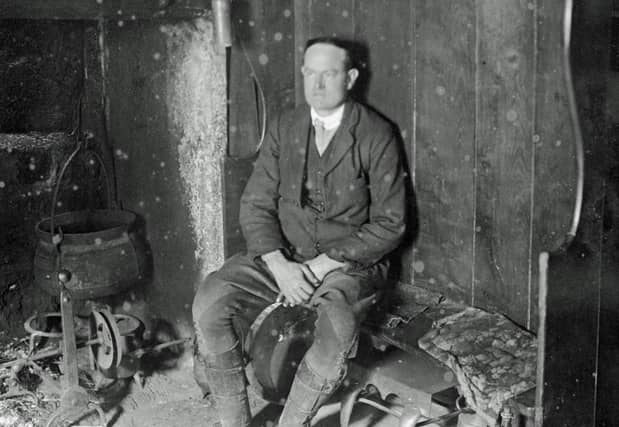
Torquay Museum has some very impressive obsessive collectors. Charles Laycock, collected rural folk life items, amassing over 1,600 objects. It was so large that it filled his house in Moretonhampstead and he lived in what was essentially a museum.
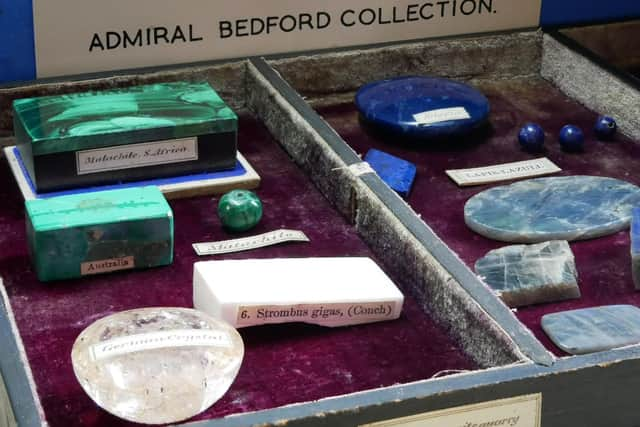
Dr Charles Paget-Blake, a ship's surgeon, made a collection of over 1,000 ‘curios’ what we now call, ‘world cultures collections’, which filled a gallery at the Baths Saloon and is now largely responsible for filling our Explorers Gallery.
It may surprise you to learn that 100 years ago when it was offered to the museum, it was rejected three times because the items were not from Torbay.
Large collections like this are a minefield for museums and often a burden to look after and display. They cost money to store and conserve and require staff and volunteer time to document and even more money to display.
Far from being assets that bring in visitors, some collections, while of historical importance, are never looked at in their entirety or the subject of research. We have a large collection of wax seals that fall into this category!
Many people do not realise that some collections, most notably recently excavated archaeological items, have to pay fees to be deposited in a museum.
Very few things that are offered to museums come with any money but they have to be looked after in perpetuity. A rare exception to this was the Laycock Collection, which came with money to build the gallery space much of it is now displayed in.
Museums try to manage this situation with collecting policies, these documents outline what museums will take and they have to be followed rigidly. It is a very time consuming and expensive process to dispose of items or transfer them to other museums when they are not wanted.
Therefore, if you are an avid collector and you are thinking of one day preserving your collection in a museum the best thing you can do is talk about it with them. Collecting collections is a complicated business.
To find out more about these collections, visit the Old Devon Farmhouse Gallery or the Explorers Gallery or log on to www.torquaymuseum.org