

Peter Vosper: Labour’s pledge to motorists

This is the understanding which provided the commitments given by the Labour party on transport.
These included continuing to maintain our road network, to ensure it serves drivers, cyclists and other road users, remains safe, and tackles congestion.
They have undertaken to fix one million potholes across England in each year of this parliament, funded by deferring the A27 bypass, which they considered poor value for money.
They have also stated they will further support motorists by tackling the soaring cost of car insurance.
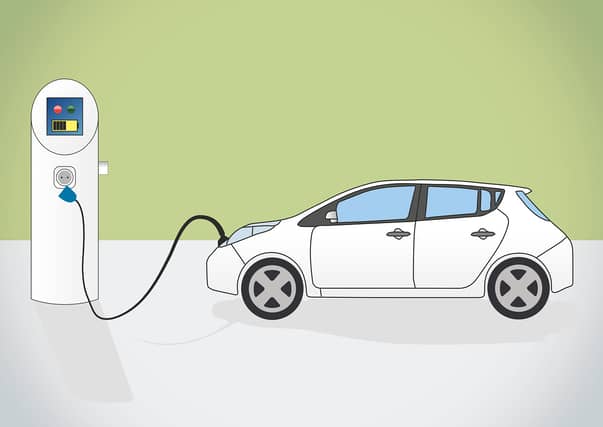
They will support the transition to electric vehicles by accelerating the roll out of charge points, giving certainty to manufacturers by restoring the phase-out date of 2030 for new cars with internal combustion engines and supporting buyers of second-hand electric cars by standardising the information supplied on the condition of batteries.
Although almost three quarters of dealers surveyed thought the government should not revert from the 2035 date for the phase-out to 2030 it is likely many voted that way because they were unconvinced that adequate support would come from the government to achieve the original date.
To reassure the industry the government proposed new additional gigafactories, replace the Apprentice Levy with a Growth and Skills Levy, support colleges to specialise in electric vehicle transition, accelerate charge point roll-out by setting new binding targets, remove barriers to grid extension, make charge point data open access and set quality standards for information supplied on charging apps.
These are strong commitments to push the electric vehicle transition and as yet we do not have all the details of how this will be paid for, but motorists are inevitably going to be asked to pay their way.
Expect increases in fuel duty, excise duty and the much speculated, road user charging tax. The last one of these should make things fairer to Devon and Cornwall motorists as they will be considered a rural area with special allowances.
The manufacturers will be meeting with the new government to discuss how they can work together to achieve the objective of net zero by providing support for the private motorist who has not been treated as favourably as the fleet operator or business users.
They have been given tax allowances and have certainly kickstarted the move to electric vehicles but if all motorists are going to embrace this technology it seems unreasonable to expect them to pay more for the privilege.
The measures above should make it cheaper to run electric powered vehicles, but the infrastructure must improve in all areas to give ease and speed of recharging and get motorists back on the road quickly.
There can be no doubt that electric is the chosen method of power but the world is rightly looking at alternatives to prevent reliance on solely this in the future.