

Peter Moore: Happy retirement? You'll have to work at it

He had been a top executive, running multi-million pound companies when he took early retirement in his fifties. He had enough money and did not need to work anymore. When my colleague visited him he was looking at his watch and appeared worried.
“What’s the problem?” my colleague asked.
“The bin men come today. I can’t take the bins back until they’ve been”.
Here was a man who ran major companies and yet ten years into retirement he was worrying about the dustbins. His world had shrunk.
Couples with great memories of holidays in South Devon dream of a home overlooking the sea but moving is not always a good idea. People are more important than places. A beautiful view of the sea does not make up for lifelong friends miles away.
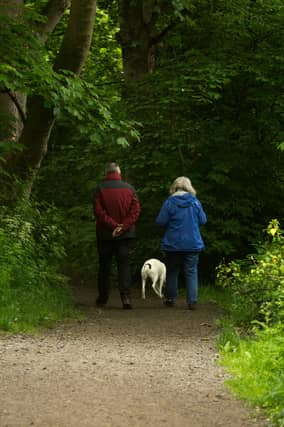
Retirement does not have to be like this. In retirement, it is important to exercise both the body and the mind. This does not mean everyone should go to the gym and sign up for a marathon. Taking long walks, playing golf or bowls is good exercise. There is also walking football. We are lucky that there are plenty of beautiful places for long walks whether it is along the coast or through the countryside. The only problem with Devon is that only the seafront is flat. Anywhere else there will be hills, but the hills represent another challenge to keeping fit.
We must not ignore exercise of the mind. There are plenty of voluntary organisations desperate for help. If that does not appeal, take up studying a subject which is interesting but you missed at school. Without the pressures of “having to” study and with a subject you find fascinating, it should be fun. We have plenty of options with lectures at Torquay Museum, U3A, and Friends of Torre Abbey along with numerous other talks available. Even I give the occasional talks to groups such as the WI for anyone who feels they can’t sleep.
Another suggestion is to take up a musical instrument. I am back trying to be a rock guitarist with the odd fifty-year break. I’ll never fill the O2 or even Torquay’s Little Theatre but I am enjoying myself. For anyone who lives in a small, terraced house, can I suggest that you do not take up the bagpipes.
Our generation faces new challenges, which should be positive. When the old age pension was introduced at the age of 70 by Lloyd George in 1911, very few people lived long enough to collect it. In 1925, the retirement age was reduced to 65 when life expectancy in the UK was fifty. By 2011 this had jumped to 86.2. Now most people can look forward to twenty or thirty years in retirement.
Health benefits or dangers of retirement are difficult to measure. If we looked at everyone who took early retirement we would include people who retired early on health grounds, giving a skewed view of life expectancy. Health deteriorates with age, regardless of whether anyone has retired. How many health problems are due to retirement and how many simply due to old age?
We do know that work helps wellbeing. Retirement can lead to a loss of the social network of fellow workers. People may feel their lives are less useful. We all need a role in life.
Despite this, retirement is “good for you”. In a large UK study it was found that the moment people retire they report an immediate improvement in health, they feel better and sleep better. They reported less stress and felt more positive about life. Looking at death certificates there is no sudden increase in death rates upon retirement.
One of the clichés retired people often say is “I don’t know how I found time to work”. I knew a man who worked in finance all his life so, on retirement, volunteered for several charities. Inevitably he became treasurer. He said to me “The trouble with being retired is that I don’t get a day off on Sundays anymore”. That is far better than sitting at home worrying about the bins.