

Pat Duke: Cutting remarks well worth acting upon

In the garden
With summer in full swing now it’s time to spend the maximum time in the garden that you can spare.
As well as the usual maintenance jobs done in short shorts and T-shirt there are some technical jobs to extend your knowledge. Knowing what do do is one thing, but understanding the reasons for it will move you into expert territory.
This is no more true than in the area of pruning. Many gardeners become anxious holding loppers or secateurs in front of a tree or shrub. If you are one of these then there is a handy ‘bible’ published every year by the RHS, simply entitled ‘Pruning and Training’. It’s a handy reference guide you’ll dip into regularly.
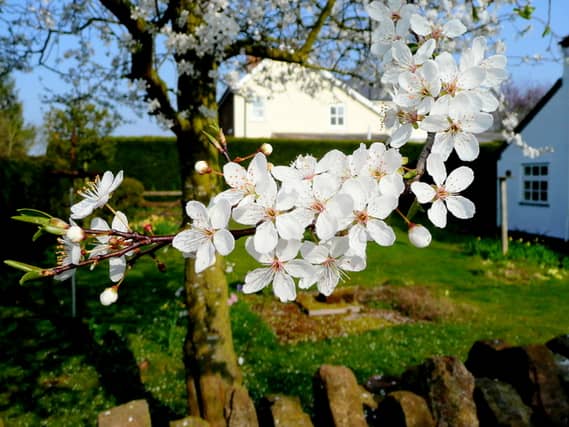
One of the most popular trees to grow is the plum tree, in fact it will reproduce quite successfully without too much control.
They are, however, prone to silver leaf disease so pruning when sap is rising helps, as does using sharp tools to prevent tears where infection can easily penetrate what is essentially the tree’s central nervous system.
A core principle of any pruning is to remove the three Ds: dead, damaged or diseased. Any crossing over branches can rub each other and create vulnerability, so remove one of them. You are looking for a pyramid shape if your tree is over three years old. The fruit needs sun to ripen them so this will prevent overcrowding with leaves and branches everywhere.
Fruit grows on new wood generally under three years old so you might need to leave those alone where they are healthy. At times it sounds a bit like there will be no tree left but plums are heavy croppers so you’ll have plenty of fruit on younger wood.
On the plot
Strolling round whilst picking and eating veg is a weekly pleasure at this time of year and one like no other. Peas are filling their fat pods now and salad crops seem to have layers of subtle flavour eaten in this way, warmed by the sun on a Saturday morning.
Cabbages will need a keen eye watching over them as it’s the time for the cabbage white butterfly to lay their eggs in an attempt to decimate your crop of all brassicas. Look under the leaves and smudge out any clusters. If this is too gruesome for you, either use gloves or get an organic spray like Bacillus thuringiensis and get to work with that.
Keep all your fruit well watered. They will be much more productive as a result and you'll just need to fight off the birds to enjoy the crop. Keep planting salad crops in two-weekly intervals while applying a mulch of compost from the bins under established crops. This will help retain life-giving moisture and add nutrients at peak growing time.
Gardeners without school-age children will be going on holiday before the rush so plan the week before by watering directly at the roots and mulching. Sometimes dropping grass cuttings under potatoes will keep them going and takes just seconds.
If you don’t have a friendly neighbour to water your plants, sit pots in trays of water or even diluted feed. Set the timer on a sprinkler as a last resort. I find the garden is an effective conduit for creating and maintaining a good relationship with close neighbours. Gifting unwanted or excess plants and helping out with watering can create stronger bonds than borrowing a cup of sugar now and again.
If you have time and just a small circle of space you can make a traditional herb garden with some recycled brick as paths forming a cross and creating four quadrants to grow sun loving edibles. Once planted and watered it will provide flavour and scent for the kitchen and sensory garden.