

Norrms McNamara: Being diagnosed with dementia

When I was first diagnosed things were different, or I would like to think so anyway and hope that every day since has changed for the better. Just after I was told I had dementia, I was advised to 'use it or lose it'. And that was it, I kid you not! Th
When I was first diagnosed things were different, or I would like to think so anyway and hope that every day since has changed for the better.
Just after I was told I had dementia, I was advised to 'use it or lose it'. And that was it, I kid you not!
Those five words have always stayed with me and we left there, more confused than ever, frightened of the future and not knowing what was happening next.
I have to say if it wasn’t for my wife who was a full-time carer at the time and knew her stuff, we would have been absolutely lost and it’s so worrying thinking about it, how many were told the same at the time.
The worrying thing is even today we hear stories from loved ones and carers who feel just the same after someone has been diagnosed and feel as if they have nowhere to turn.
The first thing Elaine did was to drive me to Cockington, park up and ask me if I understood what I had just been told.
My answer was no, as my brain does this thing of shutting down when bad news comes my way. I go to a different place, it’s not a conscious thing, it just happens.
Elaine sat with me and went through everything. Slowly it dawned on me, and memories of my dad and gran came flooding back as they both had dementia and that’s when I began to shake with fear as I had witnessed what they went through and the thought of myself going through something similar totally devastated me.
It suddenly went very quiet in the car while we both thought about what to say next until Elaine finally asked: "So, what are we going to do about it?"
My incredible family has never done sympathy but what we do very well is empathy, and suddenly things didn’t seem too bad.
We went home, sat down at our ever-faithful dining table, which has heard us sort out so many problems in the past, and made a plan.
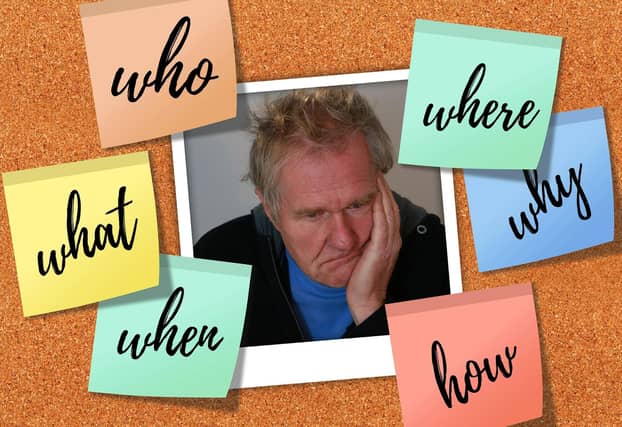
First of all was 'who do we tell?' Now this is a very personal decision as we are not all the same, but after experiencing the nudges, whispers and ridicule my gran and father went through, it was decided we tell all we knew, but our children had to hear it first.
The reason for that, in my mind was simple at the time, it would stop the jokes and winks. Unfortunately, this didn’t happen but I hope it did cut it back a little.
The bad thing was I lost 80 per cent of my friends, so-called friends, as the stigma was so great then. This, I have to admit, came as a shock but, thankfully, I have more genuine friends now who take me for who I am and accept my little toils and troubles.
Telling the children was easier than I thought it would be but then again when you love some so very much and they love you, all they want to do is accept and help.
So imagine my horror when I hear different from different families - but for us, it was the best thing we ever did because they were all so supportive, especially the younger ones who just accepted it for what it is, memory problems and nothing else.
The children 'get' it, they always have, it’s the adults we have trouble convincing.
Next on our list was finding help.
Till next time...