

MEDICAL MATTERS: Sepsis and how to spot potentially deadly illness
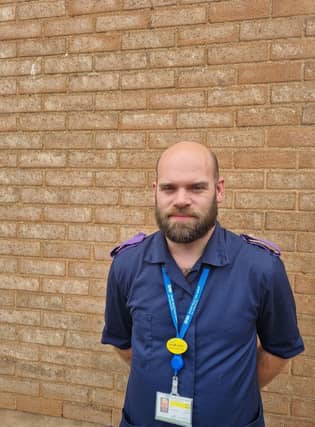

By James Merrell, a Matron from Torbay and South Devon NHS Foundation Trust, who talks about World Sepsis Day and the importance of recognising the signs and symptoms of sepsis and seeking medical advice immediately. It is World Sepsis Day on Tuesday Sep
By James Merrell, a Matron from Torbay and South Devon NHS Foundation Trust, who talks about World Sepsis Day and the importance of recognising the signs and symptoms of sepsis and seeking medical advice immediately.
It is World Sepsis Day on Tuesday September 13 and we will be marking the day with a number of activities for our patients, staff and the public throughout the day as part of our continued commitment to raising awareness about this potentially life-threatening condition and reducing the number of cases we see and treat.
What is sepsis?
Sepsis (also known as septicaemia or blood poisoning) can occur when your immune system overreacts to an infection or injury and starts to damage your body’s own tissues and organs. If it isn’t treated immediately, it can result in organ failure and death. However, the good news is with early diagnosis, it can be treated with antibiotics, as part of treatment plan called the sepsis six.
During 2021, our Emergency Department at Torbay Hospital saw and treated 184,162 residents from Torbay and South Devon and visitors to the local area. On average, we see around 60 patients a month who are diagnosed with, and treated for, sepsis. During the last 12 months, we have treated 738 people who have presented with the condition.
What causes sepsis?
Any type of infection anywhere in the body can cause sepsis including infections in the lung (i.e. pneumonia), skin, urinary tract and abdomen (i.e. appendicitis). It can occur even after a minor infection such as from a cut on the hand
Who can get sepsis?
Sepsis can affect anyone, old or young, in good health or with an existing illness. However, there are some children and adults that are more prone to an infection which could lead to sepsis. This includes babies and very young children, people with weakened immune systems, older people and those with chronic illnesses.
What are the signs and symptoms to look out for?
With 80 per cent of cases occurring outside of a hospital setting, it is so important that if you, or someone you know, shows signs of sepsis you seek medical advice immediately. We know globally that for every hour that goes by where sepsis is present, but not treated the mortality rate increases by 8 per cent per hour.
Quite often people miss the signs of sepsis as they may feel like they have flu, gastroenteritis or even a chest infection. So, it is important to know the signs are and also understand that these are different for children and adults.
Symptoms for children aged five and under include not eating, being sick repeatedly and not passing urine for 12 hours. Older children may be cold to touch, look mottled or pale, have a rash that does not fade when you press it (try the glass test for this), be breathing very fast or having a fit or convulsion.
There are also a number of symptoms and signs that may indicate sepsis in adults. This includes a fast heart rate, slurred speech or new acute confusion, extreme shivering or muscle pain, passing very little urine, severe breathlessness, and a purple rash or mottled and discoloured skin.
If you spot any of these signs in a child or adult and think it could be sepsis, please call 111 or contact your GP. If you are really concerned and the symptoms are worsening then you should call 999 or come straight to our Emergency Department.
How is sepsis treated?
If you contract sepsis, you will be admitted to Torbay Hospital where you be given the sepsis six and this includes antibiotics as soon as possible. If your symptoms are severe and diagnosed with septic shock, you may need to be moved into an intensive care unit and be put on a ventilator, have surgery to remove tissue damage, and remain in hospital for several weeks. However, if your symptoms are mild and we treat sepsis early, you would be able to go to a general ward, be closely monitored and usually return home within 48 hours.
Do you fully recover from sepsis?
Most people make a full recovery from sepsis and some report a quick recovery while others experience post-sepsis syndrome. This can include difficulty in sleeping, feeling tired and weak, loss of appetite, more likely to get ill from viruses or colds, anxiety or depression, and post-traumatic stress disorder (PTSD).
Most symptoms get better on their own, however if you are suffering from post-sepsis syndrome and feel you need more support you can contact your GP or visit The UK Sepsis Trust website*, which has resources and guidance on how to manage your recovery.
How do I prevent sepsis?
Although it is not always possible to prevent contracting sepsis, there are things you can do to help prevent infections which may lead to sepsis. These include:
- keeping up to date with vaccines, particularly for babies, children, older people and pregnant women
- cleaning and caring for wounds so they don’t become infected
- following instructions when taking prescribed antibiotics including finishing the course, even if you feel better
- thoroughly washing your hands
You can find out more information about sepsis, support available and World Sepsis Day at: