

Medical Matters: Look out for signs of breast cancer - and how modifying your lifestyle can help reduce risk

Medical Matters with Donna Egbeare, consultant oncoplastic breast surgeon at Torbay and South Devon NHS Foundation Trust: It always great to see Breast Cancer Awareness Month getting so much coverage. However, this can be a difficult month for people an
Medical Matters with Donna Egbeare, consultant oncoplastic breast surgeon at Torbay and South Devon NHS Foundation Trust:
It always great to see Breast Cancer Awareness Month getting so much coverage.
However, this can be a difficult month for people and families going through treatment, or for those who have had family members die with, or of, breast cancer.
I am often inspired by the amazing patients we treat and our wish is for everyone to come away from treatment with a positive outlook and feeling stronger for the future, but we know this can be a struggle.
As the most commonly diagnosed cancer in women, one in eight women will get breast cancer at some point during their lifetime.
Currently, with treatment, two women in three will survive their disease beyond 20 years.
For many women, it is a condition they live with rather than die from.
Once a diagnosis is confirmed, treatments may involve surgery, radiotherapy, anti-oestrogen hormone therapy, chemotherapy and immunotherapy.
Treatment is based on the type and size of breast cancer, menopausal stage and general health.
It is important to know the signs, get regular screening and, where possible, modify lifestyle factors to help reduce risk.
BEING BREAST AWARE
Get to know your ‘normal’ and understand what’s new or different for you.
Most breast changes, including breast lumps, are not cancer but it’s important to get any new or unusual changes checked.
On the occasions it is breast cancer, the sooner you are diagnosed the better the chance of your treatment being successful.
LOOK AT AND CHECK YOUR BREASTS REGULARLY
We recommend once a month - just after your period if you are still menstruating - that you take a TLC approach:
- TOUCH your breasts - can you feel anything new or unusual?
- LOOK for changes - does anything look different?
- CHECK any new or unusual changes with your GP.
More information is available on the website https://breastcancernow.org
MODIFYING YOUR LIFESTYLE TO REDUCE YOUR RISK
Getting older is the most significant risk for developing breast cancer. Most breast cancers, 80 per cent, occur in women over the age of 50. And the older you are, the higher your risk.
Some people are more at risk because they have a genetic predisposition to breast, and other, cancers but this accounts for less than ten per cent of breast cancer diagnoses in the UK.
However, we can all modify aspects of our lifestyle to help reduce our risk.
Alcohol - you have a 40 per cent increased risk of developing breast cancer if you drink more than 14 units of alcohol a week compared to non-drinkers.
Obesity - your risk increases if you are overweight, BMI 25-30, or obese, BMI over 30, after the menopause. Obese women also have a worse prognosis and lower survival rates.
Exercise/activity - increased activity has been shown to decrease the risk of breast cancer risk and the risk of recurrence. Aim to do 150 minutes a week of moderate activity.
Smoking - increases the risk for all cancers, including breast cancer, because of the cellular DNA damage it causes. Get help to stop smoking.
Contraceptive pill - there is a slight risk of breast cancer while on the pill but the increased risk disappears soon after you stop taking it.
Hormone replacement therapy (HRT) - the use of combined HRT is associated with an increased risk of breast cancer. However, it can sometimes be the right choice for women managing menopausal symptoms, so if you have concerns talk to your GP.
BREAST SCREENING
About one quarter of cancers in women in the UK are diagnosed annually via the NHS Breast Screening Programme.
Women between 50 and 71, registered with a GP, are automatically invited for a mammogram every three years. After 71, you can request a screening every three years but you won’t automatically be called.
Around four in every 100 women are asked to return for more tests after screening of which one will be found to have cancer.
If you have missed your breast screening appointment, you can call the screening service on 01803 655350.
It is rare for to men to get breast cancer and often they leave it longer to seek help, perhaps because they aren’t as breast aware.
Men should examine themselves regularly and report any new lumps or change to the nipple to their GP. They can also follow the TLC approach.
The Lodge Cancer Support and Information Centre provides support for anyone affected by cancer ranging from complementary therapies and relaxation classes to financial advice and support groups.
Our breast care unit at Torbay Hospital is kindly supported by the Torbay and South Devon NHS Charity’s dedicated Breast Care Fund.
Through fundraising and donations, this fund supports projects identified by patients and staff which are above the scope of the NHS.
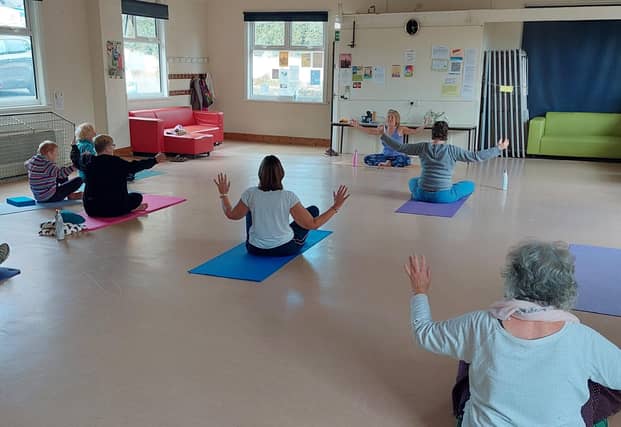
One such project is a free weekly yoga class for people who have had or are having treatment for breast cancer.
Helen, who attends the yoga class, said: “Theresa’s yoga group and her knowledge and care, and the support of other group members has carried me through - not only cancer, but other medical and life events too. It has been one of the most important factors in my recovery, mind, body and spirit.”
Kate, also a group member, said: “I’m a bit weedy this week after the third dose of chemotherapy so won’t be at yoga today. But the scans show my lump is shrunk to eighth of its original size in five weeks. Hooray! I’m winning! Theresa’s yoga class mended my broken soul.”
If you would like to donate to the Breast Care Fund please visit the JustGiving page at www.justgiving.com/campaign/torbayhospitalbreastcare