

Medical Matters: Listen to your feet to avoid pain
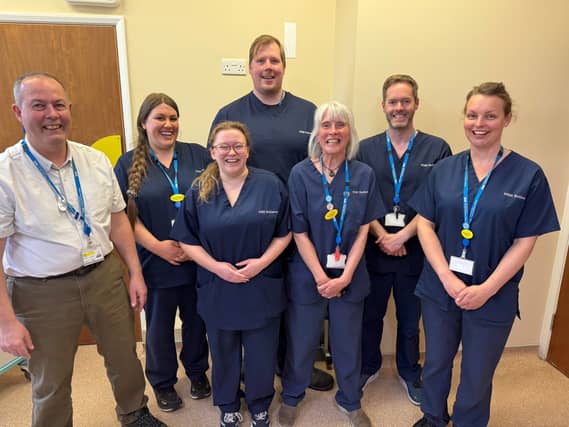

Richard Collings, Head of Podiatry and Orthotics at Torbay and South Devon NHS Foundation Trust, talks about the importance of healthy feet.
The podiatry team here at the trust looks after around 5,000 patients, and this adds up to around 44,000 appointments a year, so we are an incredibly busy team.
Our goal is quite a simple one: to deliver the best possible lower limb health care to all who see us. We see patients of all ages, from infants with ingrowing toenails to elderly patients who may have had a lower limb amputation.
We treat a range of conditions, including ingrowing toenails and foot ulcerations, lower limb and vascular problems, biomechanics, corns and calluses and lots more.
We also see many people with heel pain (plantar fasciitis) amongst a whole host of other foot pain conditions. Ingrowing toenails requiring a small surgical procedure are also relatively common.
Most people do not realise the importance of their feet until something is wrong with them, and their independence and mobility become restricted. Therefore, undertake little things like visually checking your feet (or getting someone to check for you) for signs of redness, rubbing or sores, and then if you are concerned, then get it checked out with a foot health professional.
Don't ignore pain, although some people do lose the feeling in their feet and do not necessarily experience foot pain as you would expect.
We strive to improve the way that we treat patients by trying new treatments or new ways of delivering care, and getting involved in research is really important to enable that. As part of this, we also have podiatrists who teach and undertake research in this field as we look to improve how we tackle foot-related health problems.
A lot of our time is spent managing people with diabetes-related foot complications. Diabetes foot disease costs the NHS around £1 billion per year, and over 170 people every week have a diabetes-related amputation in the lower limb, changing their lives forever.
Many of our studies are focused on diabetes-related complications of the feet. As a department in Torbay, we see approximately 400 people a week with foot ulcers and spend lots more time preventing people with diabetes from getting ulcers.
Some of the research is aligned to this agenda; one trial is looking at whether a particular wound dressing is better than another type in preventing infection in a foot ulcer. Another trial is looking at whether cognitive behavioural therapy is helpful in preventing foot ulcers reoccurring after they have healed. We are just about to start recruiting patients for a trial looking at how we can better treat arthritis in the big toe.
All of us need to be aware of our feet, and there are five top tips everyone should know:
- If you have foot pain, swelling or visible injuries, please seek help; call your GP or go online for details on how to do a self-referral.
- Too often people don’t realise they have lost feeling in their feet – this is called neuropathy and is a big warning about an underlying health issue, so please check for pain but also look for numbness in your feet.
- Care for your feet; wash thoroughly, dry correctly and regularly check for sores or anything unusual.
- Correct footwear is essential; your feet can take you around the world, so please have footwear that fits with good soles and support.
- Around 75 per cent of the people we support have foot complications linked to diabetes, so please be diabetes aware.
To find out more about the work our podiatry team carries out, visit Podiatry – Torbay and South Devon NHS Foundation Trust.