

Medical Matters: Help us to help you by making the best choice this summer
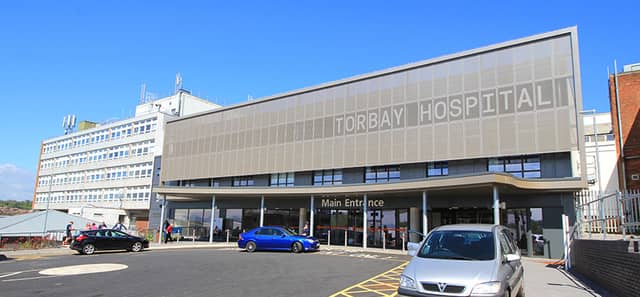

In our hospitals across Torbay and South Devon, summer means a reduction in some of the common winter illnesses, including respiratory infections and diarrhoea and vomiting.
However, the pressure on our hospitals doesn’t reflect this.
In addition to the approximately 286,000 local people we support, our area can also welcome around 100,000 visitors at any one time during the summer. Tourism is vital for our local communities and it is fantastic that so many people want to enjoy what our area can offer, but everyone can play their part to help us support all.
High demand for all our services can result in people waiting longer than we would like for care and treatment.
Our Emergency Department (Accident and Emergency) at Torbay Hospital is for life-threatening illnesses, with the team on hand to support people who are critically unwell.
It is open 24 hours a day, seven days a week, 365 days a year, and is made up of a multi-disciplinary team which includes doctors, nurses, paramedics, healthcare support workers and specially trained diagnostic and therapy colleagues.
Some of the illnesses that our emergency department can support with include chest pain, stroke, major trauma injuries, breathing difficulties, loss of consciousness and severe burns and bleeding.
On arrival at the department, our colleagues triage the people who need our help and prioritise accordingly. We try to see everyone as soon as possible but appreciate that at busy times this can lead to longer delays. We are incredibly grateful for the patience and understanding that many visitors show.
I am proud of the improvement work that has happened in the department in recent years, including improving our communication and helping people understand their care pathway better, as well as enhancing the department’s spaces for young people.
What if my health problem is urgent, but not an emergency?
If you have an urgent but non-life-threatening health problem, please contact NHS 111 (call 111 or visit 111.nhs.uk). Trained advisors will be able to signpost you to the most appropriate service to your need.
Self-care, pharmacies and GP
You can self-care for many conditions at home including grazes, scrapes and hangovers.
A local pharmacy can provide health advice and help with minor illnesses like colds, rashes, sunburn, hay fever and diarrhoea. You don’t need an appointment and they can even provide you with the right medication at the same time.
They may also be able to offer treatment and some prescription medicine for some conditions without you needing to see a GP.
These include earache, infected insect bites, sore throat, urinary tract infections (UTIs) and more.
It is always important to understand the medications you are taking and ensure that you have an adequate supply, but pharmacies can also offer advice if you have accidentally run out of medications/prescriptions.
Your GP is normally the best person to see if you have long term problems that are getting worse or changing.
If you are away from home your own GP may still be able to provide advice and can send an electronic prescription to a local pharmacy anywhere in England and Wales.
Our UTC and MIUs can provide treatment for less serious injuries, such as broken bones and sprains, cuts, grazes, burns and scalds. The Urgent Treatment Centre (UTC) at Newton Abbot Community Hospital is a walk-in service, while our MIUs in Dawlish and Totnes operate appointment-priority services. The NHSquicker app (nhsquicker.co.uk) provides details of local opening and waiting times, if you have the option of traveling to get care.
For children, the HANDi Paediatric app gives up-to-date advice about common childhood illnesses and how to treat them.
By choosing the right service for your healthcare need, you will help get you the best advice quicker and will also help reduce pressure on our Emergency Department and help those who need our services most.