

Bank holiday warning over ticks as health officials urge people to take precautions outdoors
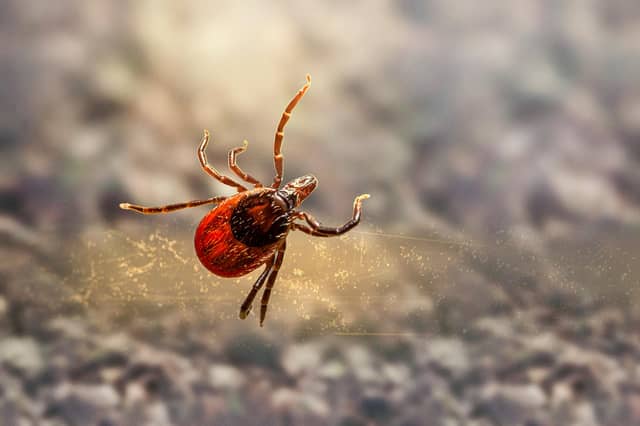

People enjoying the outdoors this bank holiday are being urged to be aware of ticks and the potential health risks they can carry, including Lyme disease.
Health officials say warmer weather and increased time spent in grassy, wooded and rural areas can raise the chances of coming into contact with the tiny parasites.
Ticks are small spider-like creatures that feed on the blood of animals and humans. They are commonly found in long grass, woodland, moorland and countryside areas across Devon.
While many tick bites are harmless, some ticks can carry bacteria that causes Lyme disease, a bacterial infection which can lead to serious health problems if left untreated.
Dr Sophie Weller, Public Health Registrar for Devon County Council, is encouraging people to take simple precautions while out walking, camping or exploring nature over the bank holiday weekend.
She said: “As more people head outdoors to enjoy Devon’s beautiful countryside during the warmer months, it’s important to be tick aware.
“Ticks are very common in grassy and wooded areas and although not all ticks carry Lyme disease, it’s important people know how to protect themselves and recognise the signs of infection.”
Symptoms of Lyme disease can include a circular red rash around a bite, flu-like symptoms, tiredness, headaches, muscle pain and fever.
Dr Weller advised people to wear long sleeves and trousers in areas where ticks may be present, use insect repellent, and check their skin, clothing and pets after spending time outdoors.
She also stressed the importance of removing ticks safely and quickly using a tick removal tool or fine-tipped tweezers.
“The sooner a tick is removed, the lower the chance of infection,” she said.
People are advised to seek medical advice if they develop symptoms after a tick bite, particularly a spreading rash or flu-like illness.
Further information about ticks and Lyme disease is available through the NHS website.