

Hannah Worthington: Meeting needs of community and wildlife in Torbay's green spaces is often a balancing act
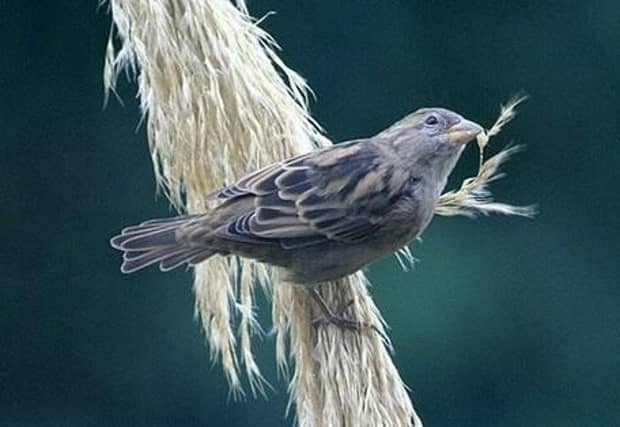

The sparrows are holding tight; perched on the stalks of pampas grass while the wind buffets them about, carefully balancing their body weight with the help of constant adjustments to tail position or ‘knee’ bend. No fake headdress with large plume neede
The sparrows are holding tight; perched on the stalks of pampas grass while the wind buffets them about, carefully balancing their body weight with the help of constant adjustments to tail position or ‘knee’ bend.
No fake headdress with large plume needed for these skilled circus acrobats, they have their own feathered costumes!
Our garden birds are varied and vocal, bringing a dash of energy to our gardens and green spaces, and along with pollinators like butterflies, bees, and hoverflies, they are probably the species of wildlife that we in the UK encounter most frequently.
Maybe this connection is the reason many of us are motivated to provide for wildlife by looking at the way we care for our gardens, allotments, and other spaces to ensure that they benefit wildlife, and not just the crops or horticultural plants being grown.
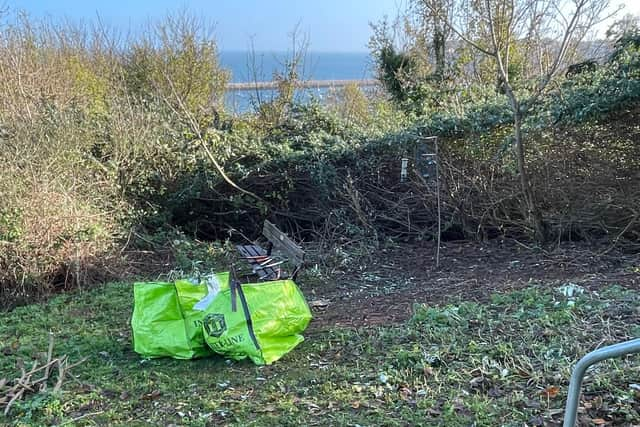
In the UK, where our plant-hunting forebears introduced many species from around the globe, we have the additional dilemma between retaining or removing vegetation that may be beneficial for wildlife but is itself invasive.
One example is rhododendron whose waxy leaves are not broken down easily by British invertebrates and whose evergreen foliage shades out seedlings below. Millions have been spent removing it, especially from heathland, to allow native plants to re-establish.
Buddleia is another such shrub, which while being a good nectar source for pollinators such as butterflies, spreads easily and forms dense thickets, reducing the amount of open ground that may be home to specialist species of invertebrates.
However, removal is not the only option; pruning after flowers have faded can stop the spread of seeds, and cyclical cutting back or clearance can provide open habitat for a while before regrowth enables other species to benefit.
For more information about helping care for Torbay green spaces, contact Hannah Worthington by email [email protected] or call 07747 616 075