

Green Spaces with Hannah Worthington: Discover smaller wildlife treasure in Torbay's green spaces

Wings splayed and fluttering, a male sparrow is having a dust bath; making the most of the dry conditions that have caused the soil to become powdery – perfect for getting between those hard-to-reach feathers! (Written by Hannah Worthington). His bath do
Wings splayed and fluttering, a male sparrow is having a dust bath; making the most of the dry conditions that have caused the soil to become powdery – perfect for getting between those hard-to-reach feathers! (Written by Hannah Worthington).
His bath done, he flies to a nearby tree to finish the grooming process, enabling a female sparrow to swoop in for her turn to bathe.
Yet, spend a little time in any of our parks or green spaces and you soon start to notice just how ‘wild’ they are.
Torbay is home to several larger fauna species; from deer in the gardens of Oldway Mansion, to greater horseshoe bats at Berry Head National Nature Reserve.
But there are many smaller wildlife treasures to discover too.
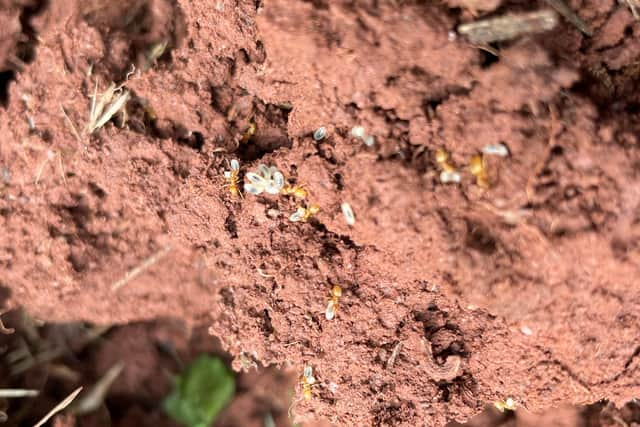
Of course, many of these smaller marvels are not to be found on the ‘cutest creature of the year, but they are no less fascinating to observe – even if accompanied by a few ‘erghs!’ of disgust.
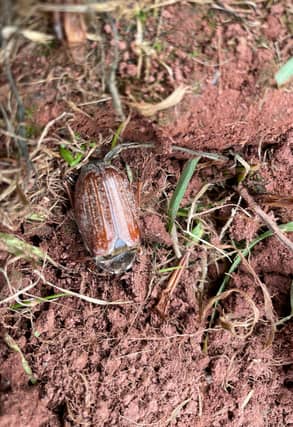
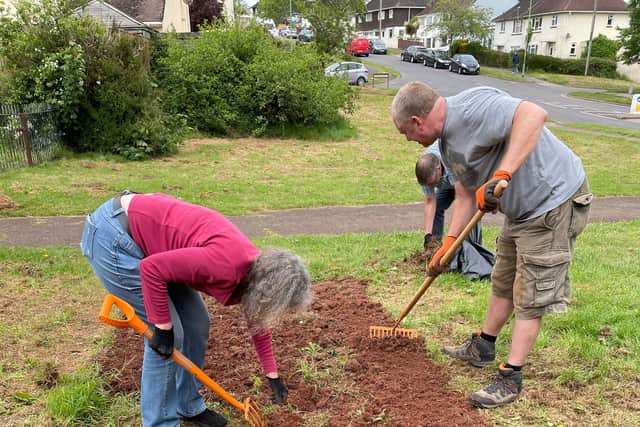
Take another find from the digging task, the cockchafer beetle – also known as the May Bug.
Many will recognise this large, flying insect from the buzzing it makes while in flight but alongside this particularly torpid adult specimen, there were also a number of larvae – fat, maggoty things that feed on grass roots, with six legs at the front and funny bulbous tail parts.
Wildlife spotting can be a passive activity but if we look rather than observe, we may uncover all sorts of wildlife right beneath our feet.
To get help care for Torbay’s green spaces, please contact Hannah Worthington by email [email protected] or tel. 07747 616 075