

Gardening with Pat Duke: Spring bulbs don't like dust - wait until after it rains before planting

Pat Duke, gardens and allotments: Just standing in the middle of the garden will soon tell you what needs doing. Those untidy stragglers of dead crocosmia foliage or the low-lying globes when nigella has gone to seed. Dragging these out of the beds is
Pat Duke, gardens and allotments:
Just standing in the middle of the garden will soon tell you what needs doing.
Those untidy stragglers of dead crocosmia foliage or the low-lying globes when nigella has gone to seed.
Dragging these out of the beds is a half-hour job and also beneficial by reducing disease from decaying material.
It also looks a lot tidier and can helpfully give the impression you’ve been working harder than you actually have.
If you want to extend this task, you can dig out a few crocosmia bulbs as they seem to spread when you’re not looking and hide more interesting plants with their expanding green blades.
Cut back herbaceous perennials that have finished flowering and are looking like they’ve seen better days.
Dead heading dahlias will help them keep going as long as they can.
In other parts of the country, people are starting to store them in the shed whereas we can still enjoy their bright Andean colours until around November and then simply mulch them until next year.
Normally at this time of year it’s bulb planting time. I'm hanging on a bit longer until the ground is made softer by the addition of rain. I've no intention of breaking another dibber on the concrete soil we have at the moment.
Added to that, bulbs won’t thank you for leaving them in the dust either.
Tulips need to be planted in October or November so they can set root easier.
We can use the last week in September to make sure all the hedges are as we’d like them to look through the winter months.
Obviously, you can still get the hedge trimmer out later in the autumn but I like to set myself this target simply because I like to get it out of the way as soon as the birds have flown.
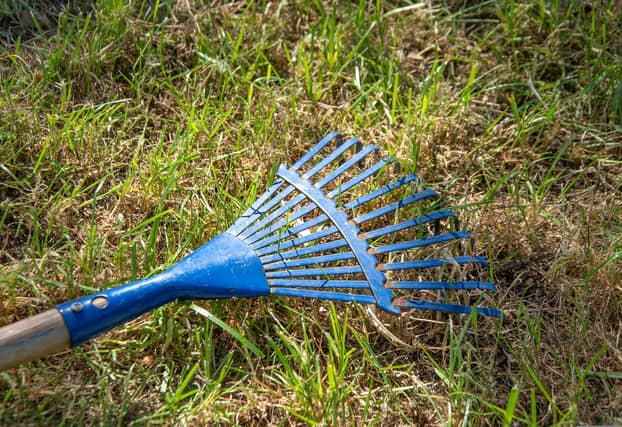
Scarify or rake the lawn. Many lawns have developed green clumps and bare patches so rake over them and re-seed the bare patches.
The rain and sunshine will do the rest and make you reminisce about springtime.
On the plot
Clear away old and dead leaves or veg that has gone over.
Beans and peas can have their roots left in the ground to provide nitrogen for good soil health.
Doing this makes us think about what we’ll be planting there in spring so if you've time, cover the beds with home made compost if you've got enough.
If not, get on with befriending someone with horses and a regular supply of well-rotted manure.
This improves the soil structure and puts the building blocks in place for next years crop.
Not doing this isn't an option. Like in life, you have to put something back to properly reap the rewards.
I know its a bit like housework, but cleaning the glass and washing down the greenhouse is worth it. Next year's tomatoes will thank you for it and repay you in fruit.
Check the health of winter veg, particularly kale where slugs can hide in the green frilly shirts ready to decimate your crop by the next time you visit.
Keep weeding between leeks and onions and spray brassicas with your choice of treatment if there are signs of infestation.
This will keep them strong through the winter and be in peak condition for Christmas dinner.
Take time to sit and notice what is happening in the garden.
Birds, animals and insects all share the garden and being familiar with them informs us as gardeners as well as underpins our mental health and wellbeing.
They are all busy preparing for winter and this can either be helpful or destructive.
Watching the butterflies in the sunshine drunkenly flop from one tall flower to the next before they run out of nectar is one of the pleasures of autumn.