

Gardening with Pat Duke: It’s in all our interest to encourage wildlife where we can
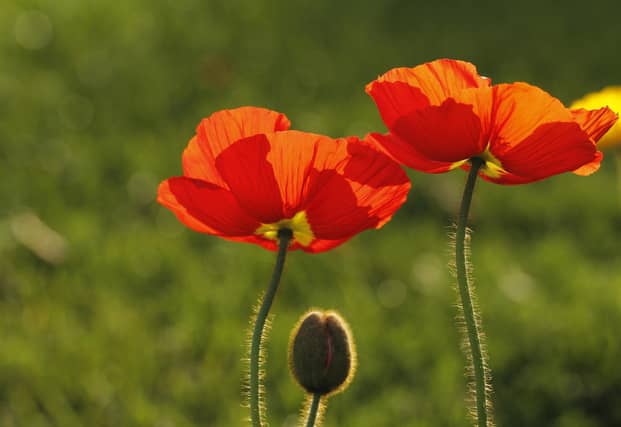

The California poppies are taking over the garden, bouncing in the breeze like a washing line of orange pastel blouses. It reminds me that their cousins are about to burst onto the scene before disappearing in early July. With this in mind, it’s worth p
The California poppies are taking over the garden, bouncing in the breeze like a washing line of orange pastel blouses.
It reminds me that their cousins are about to burst onto the scene before disappearing in early July.
With this in mind, it’s worth planting the ‘Ladybird’ variety given it lasts a bit later in the season and turns around in three months.
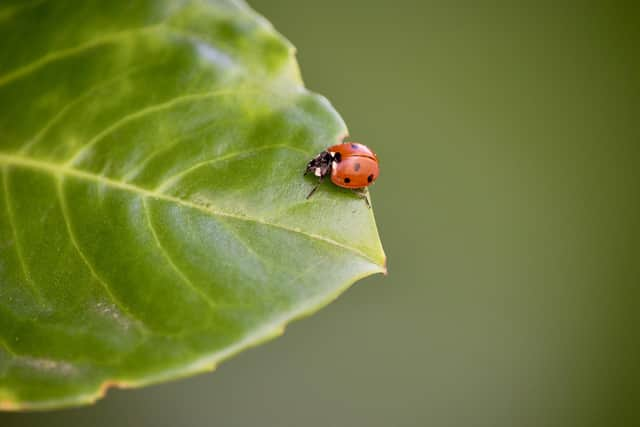
It got its name due to its black sports on deep red resembling everyone’s favourite childhood insect.
I’ve gone a bit stir crazy this week panicking that its getting too late so I’m sowing seeds at the pace of an AK47 in the hope of maximising every inch (or cm) of space.
Our gardens are a resource to get us through modern life. Not only us, but also for wildlife who are also struggling with less green space.
It’s in all our interest to encourage wildlife where we can, so things like a pond, feeding sites and thinking about naturally feeding them by planting sunflowers, artichokes and flowers with wide heads that bees use as a helipad.
The more variety in our gardens, the more diverse wildlife will be around.
You can even plant to invite specific species, simple examples are sedum or lavender for bees or Nicotiana for moths.
You could even think about using a lavender hedge as a boundary to a wildlife flower bed.
Hidcote variety is tough and in every plant retailer’s front window. As pretty as it is, French Lavender isn’t hardy so only use English lavender.
Acting in this way will increase the amount of enjoyment you get while in the garden.
Animals, birds and insects are hyper vigilant about finding habitats and food and will quickly move in where they can make a living from food and shelter.
A pond is a great example of ‘if you build it they will come’ philosophy.
On the plot
The chillies and tomatoes will need to be in the greenhouse or if they can, be planted outside by now.
If you have planted comfrey or borage then chop the leaves and cover them with water in a bucket for a fortnight to make a high-nitrogen feed for nothing.
If you can stand the smell, and most people can for free plant food, then dilute it at 25 parts water to 1 of the ‘squash’.
You can use nettles too but no one plants nettles for this purpose. If you want them leave a space and they will appear by magic!
Keep main crop potatoes watered and you can have a sneaky peek at the first earlies before hopefully putting them on the boil and adding butter and mint for a lunch to remember.
Broad beans can be harvested and probably need supporting with more canes.
‘January King’ cabbages can be put in the ground now as can any broccoli you’ve been growing from seed.
The same applies to that great winter staple the leek as well.
Plant the slippery cotton threads before watering them in carefully to prevent grit in the finished product.
Leek varieties mature at different times so its worth checking which variety you’ve planted.
If you’re clever you can have plant a leek variety for every season although if I’m honest I’m not that organised on the leek front.
All through June is a great time to sow carrots and beetroot to last throughout the winter.
Everyone has enough space for a line of each, even if it’s right up against the edge of a path or between other crops.
If you plant with wildlife in mind, low flying destructive carrot fly will be eaten by ground beetles living under ground cover plants.