

Gardening with Pat Duke: Filling the 'May gap' with a splash of colour
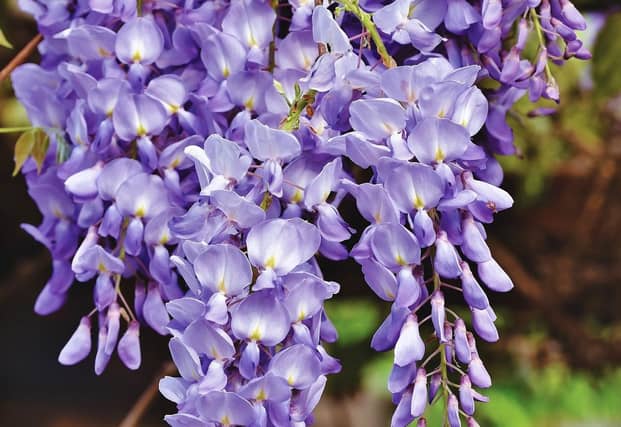

Even though planting and sowing is joyfully on top of every gardener's agenda right now, there is also a well-known delay in May which is somewhat imaginatively called the ‘May Gap’. This is after the spring bulbs have died down by the first week in May
Even though planting and sowing is joyfully on top of every gardener's agenda right now, there is also a well-known delay in May which is somewhat imaginatively called the ‘May Gap’.
This is after the spring bulbs have died down by the first week in May and were awaiting the summer bedding plants, herbaceous perennials and, of course, those old stagers, the roses to burst open.
You can avoid this gap in colour by planting, or more fortunately, inheriting wisteria, lilac or in my case bright yellow laburnum.
Thinking ahead to next year, you can get round this irritating period by simply planting azaleas and rhododendrons now.
Some gardeners can be reluctant to do this thinking they need the right type of lime free soil and they’d be right. However, you can replicate this by using pots or sealing off a specific area using thick plastic sheeting and filling it with the right type of soil.
Azaleas are readily available and reasonably priced plants that last for years. Having said that, both of my larger azaleas died during last year's drought.
The miniature evergreen azaleas seem to be everywhere as they thrive in shade whereas the larger deciduous ones enjoy dappled shade. They come in a range of colours through whites and yellow to blue, red and pink shades that require virtually no pruning.
Each flower is frilled like those fashioned dress shirts popularised by snooker players in the 80’s, also coming in similar pastel colours if I remember.
If you can, put a few together and they'll give you a stunning show throughout May, when they die back equally dramatically but need dead-heading as they look like wet tissues once they go over.
You can offset the soil issue by giving them azalea or rhododendron feed but, of course, test your soil with a gadget from the garden centre as you might have the right type of soil after all.
ON THE PLOT
The soil is in great shape now for planting brassicas.

Its health benefits as a superfood are well known and its lovely with a bit of butter next to a roast dinner. Its supremely resilient and will happily sit on the plot throughout winter until you need to pick a few leaves here and there.
Petland Brig and Westland Winter are two reliable varieties but the holiest of holies is Cavalo Nero that will cost you a fortune in certain culinary establishments. I've got it growing in the herbaceous border to offer a surprise emerald green context to draw the eye and offset other green foliage.
Once the plants are in, it's a great idea to protect the stems with collars as cabbage root fly likes to lay eggs that bury underground and munch the roots, which isn’t what anyone needs.
Cutting existing plastic tree collars into smaller lengths is handy for this as they can be counter sunk creating a decent fly barrier.
Another threat you need to plan for the is the ubiquitous fat pigeon over-balancing on the tightrope of a nearby washing line eyeing up your brassicas.
You could stretch pieces of string across the planting area with tin foil stuck to it but the best way to make a pigeon angry is to net the kale using bird and butterfly friendly barriers that you can reuse every year.
I've seen the pigeons give me that ‘wild bird look’ once I’ve finished netting them and eventually they move on to some other poor plot holder to strip their kale bare of the best bits leaving only a thin skeleton of shredded leaves that certainly don’t resemble a superfood.