

Gardening with Pat Duke: Endless possibilities if you have right soil

This time next week we’ll be into February and then we won’t have the luxury of spare time as spring will be warming the soil from time to time and the weeds will be travelling across the garden in numbers just when we need that time for planting and sowi
This time next week we’ll be into February and then we won’t have the luxury of spare time as spring will be warming the soil from time to time and the weeds will be travelling across the garden in numbers just when we need that time for planting and sowing.
Now is a great time to get your house in order in terms of clearing the perennial beds, building compost and leaf mould reserves ready to start the annual planting cycle this year.
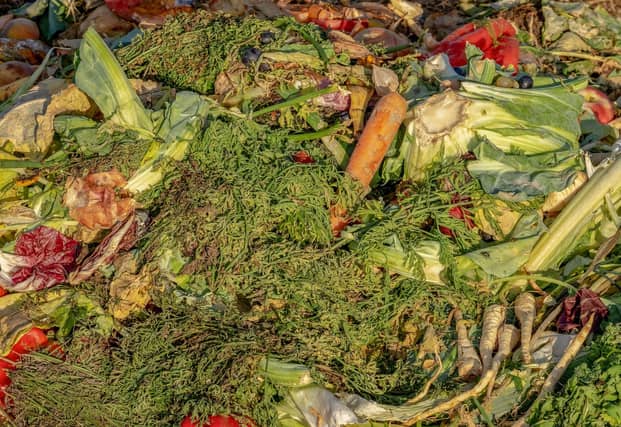
Homemade compost doesn’t have to look like the black crumbly stuff in the shops and quite often it doesnt. Even throwing the contents of the kitchen bin into a bean trench or grass cuttings from the mower under your perennials adds nutrients so don’t overthink compost. Put anything in there that isn’t cooked and is vegetable matter. Even weeds which can reproduce after being composted can go in as they add microbial diversity improving the soil structure and you’ll be hoeing regularly anyway as soon as they pop up.
Clear all dead material away from the perennial borders and use it to make a start on filling up your compost bins or systems.
All my flower beds are covered in homemade compost now, which is being dragged into the ground by the worms and washed in by the rain, snow and frost.
Looking after the soil now will seriously improve flower yields and make sure they last longer and retain moisture when the sun reappears. This is an important point given what we know about climate change and last year’s drought remembering we were desperate to save water.
Successful gardeners are good planners and think ahead in terms of seasons and even years. Now is about creating the best growing environment for an array of annuals and perennials to flourish, so that you can grow whatever you choose confident that whatever their range of needs, you’ll be able to meet them.
For example, banana plants are greedy and need a lot of feed whereas grasses might only require low-nutrient dusty soil.
The possibilities are endless if you have the right soil and support for it.
ON THE PLOT
I know gardeners, by nature, tend to veer away from paperwork - after all isn’t that the whole point of gardening, that it’s the antidote to modern life with all its over administration and mind-numbing, misleading spreadsheets.
However, you might want to draw a quick plan on a piece of A4 you've liberated from work, of what’s going where this year in relation to last year.
This will be invaluable when it comes to sowing and planting time as well as referring to this time next year.
The sowing season proper really starts in February and greens, lettuce and beetroot and some onions can go in and then you are off for the gardening year.
Still keep growing whatever you can under cover and indoors and keep a watch for predators nibbling baby leaves.
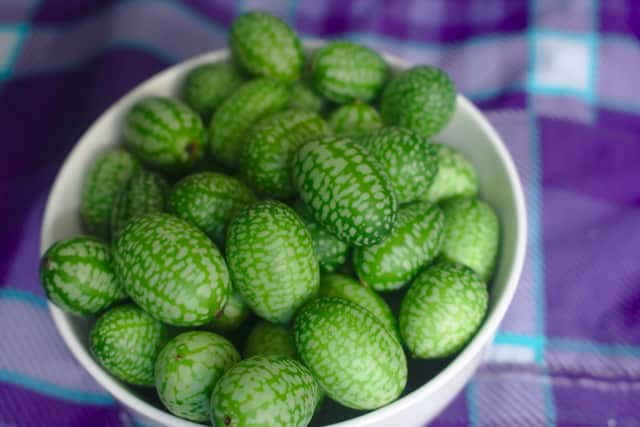
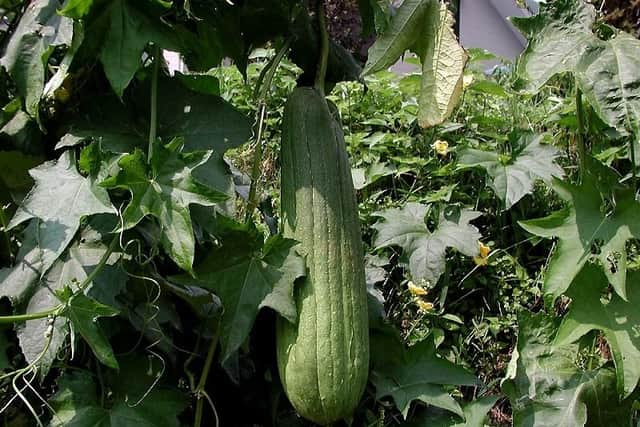
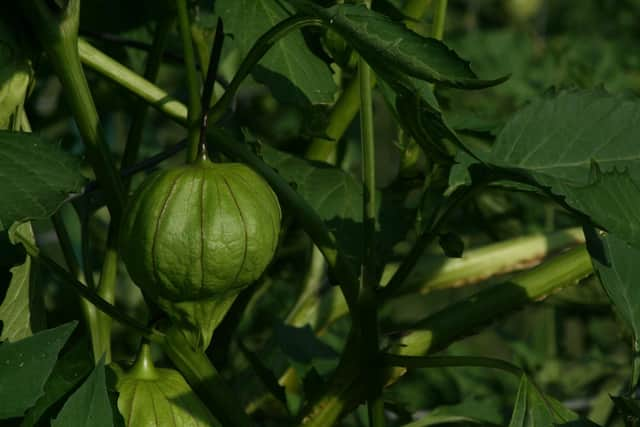
Try and grow something you haven’t grown before in an effort to widen your horticultural knowledge but make sure it’s something you like eating.
The end of January is about preparation and organisation. If you do it correctly you will undoubtedly have an undiagnosed, warm feeling of smugness and satisfaction that you have no idea where it came from.