

Dr Peter Moore: Warriors helping men talk through feelings

When I was a junior doctor in Plymouth I worked with an excellent caring colleague, I’ll call her Jane. In the few times we were not busy in the A&E department, which was usually in the middle of the night, we had some chats over coffee. She was bright
When I was a junior doctor in Plymouth I worked with an excellent caring colleague, I’ll call her Jane.
In the few times we were not busy in the A&E department, which was usually in the middle of the night, we had some chats over coffee.
She was bright and an excellent, caring doctor but was, she admitted to me, unhappy.
She had decided that medicine was not for her. She had started GP training and not enjoyed it but could not find another speciality she might like.
The problem was that her family were incredibly proud of her success. Their daughter was a doctor.
She confessed to me that she would love to give it up and find a less stressful job, perhaps a typist in an office.
But doctors don’t join the typing pool, especially in the 1970s.
To add to her stress, it was a time when very few doctors were women. There was a macho male culture. “We can hack it”.
Any sign of weakness showed that you were just not up to the job.
This was even worse for women.
They already had to show the world that they were just as good as men. Giving up was unthinkable.
She did not want to feed into the myth that, of course, girls are not able to carry out a man’s job, the sexist idea that little girls cry and can’t cope.
I tried to be supportive. Even then most of us did not buy into the macho male culture but there was an underlying atmosphere.
I was also training to be a GP and had some knowledge of basic counselling skills, but the chats were factual not emotional.
When the news came it was devastating.
She had taken a serious overdose and was in the intensive care unit. She did not recover.
As a doctor she knew the lethal dose of the drug. This was no cry for help.
We all felt terrible. How did we not realise that the situation was so serious?
I discovered that many of my fellow junior doctors had had the same discussion with Jane.
We were doctors, trained to pick up subtle non-verbal clues and yet we all missed it.
Should I have suggested professional help?
Professional counselling or other mental health input might have saved her life.
We cannot know but I went over and over it in my head.
Today, the NHS offer counselling and support to staff but are people willing to use it? Can they first admit there’s a problem?
Medicine still has a worryingly high rate of suicide.
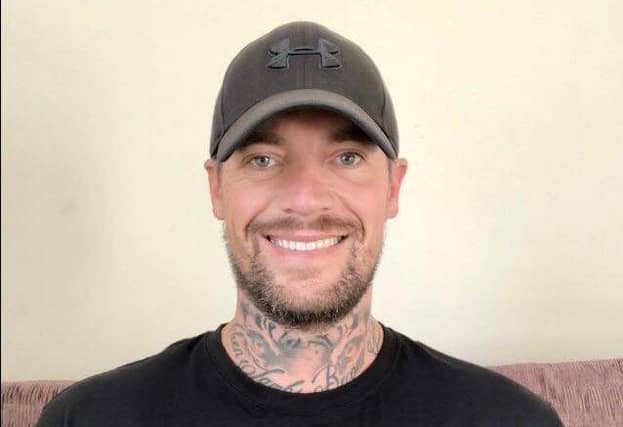
This tragedy has haunted me throughout my career and so I was pleased to see in last week’s Torbay Weekly the initiative from Paul Edmundson to start 'a war on mental health'.
He has attempted to take his life four times and has now started a support group for men, MMH Warriors.
Paul is right to concentrate on men. Men are less likely to talk than Jane and have a higher rate of successful suicide.
Had she been a man, she probably would have bottled it up and not talked to me at all.
We have made some progress.
I know a woman in her late 70s who had mentioned that her father died when she was young.
Many years later, I discovered that he had taken his own life.
She had been brought up to never mention such a 'stain on the family'.
In the past anyone who had taken their own life could not be buried in a churchyard.
Thankfully, we have come a long way.
Today we see anyone who has suicidal thoughts as needing help and support.
Paul now has a Facebook page and is on Instagram as well as offering support sessions.
MMH Warriors will help men to talk through their feelings. Hopefully it will save lives.