

Dr Peter Moore: Politicians and Alcohol
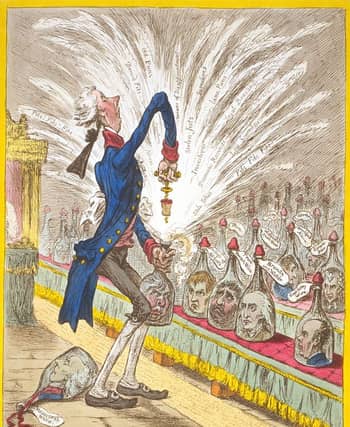

Dr Peter Moore looks at the dangers of drink
Very few problems are new. William Pitt became Prime Minister in 1783. On medical advice he drank a bottle of port before breakfast, a second bottle before tea and a third bottle before supper.
Clearly this was not enough and so he did drink wine as well. On one occasion he was so drunk that he vomited behind the speaker’s chair.
Perhaps he misunderstood “Order, Order”. I am not sure that this is the medical advice I would have given but Pitt was not unusual. Georgian Britain was ruled by “three bottle men”.
Alcohol still lubricates our democracy. Even after more than two hundred years, alcohol is still a problem in Parliament as we heard throughout “Partygate”. Even if number 10 had not been breaching Covid rules, was a boozy party really appropriate?
Alcohol is served throughout the Houses of Parliament. In the financial year 2022-23, nearly £500,000 was spent on alcohol. The bars sold 46,562 beers, 16,019 bottle of white wine and 8,500 bottles of red wine. The beer was mainly lagers, especially Carlsberg and Stella.
A study in the British Medical Journal in 2020 found MPs were three times more likely to indulge in risky drinking than other members of the public.
The Independent Complaints and Grievance Scheme, which investigates misconduct in Parliament, found that alcohol was a “frequent factor” in the sexual misconduct allegations against MPs.
I do not need to list all the MPs who have been accused of inappropriate sexual behaviour, but this has led to several by-elections. It appears that such appalling behaviour is often accompanied by bullying and abuse. The relationship with the victim is rarely equal.
How should a young ambitious person react if a senior politician starts to grope?
Four hundred years ago, Shakespeare could have predicted the inappropriate sexual behaviour of some MPs when he described the effects of alcohol. “Lechery, sir it provokes and unprovokes … it provokes the desire but it takes away the performance”.
It is not only amongst politicians that alcohol is a trigger to appalling behaviour. In many cases of domestic violence, the perpetrator had been drinking. Alcohol is associated with 60-70% homicides, 75% of stabbings, 70% of beatings and half of all fights. A third of the victims of homicide were also under the influence of alcohol.
Alcohol is sometimes used as an excuse. “I would never have behaved so badly if I hadn’t been drinking” or even “It wasn’t me, it was the alcohol.”
The reality is the opposite. It was the alcohol which unleashed the real you.
Alcohol is a depressant. It removes inhibitions. If someone is potentially violent but keeping it under control, alcohol will remove the control. Alcohol can release sexual desires, which have been kept under control or release the bully inside.
In others, the effects are less harmful. Alcohol can encourage someone to sing who would not normally dare to sing in public, which is not always positive. I try to avoid talking too much and quoting numerous boring facts but after a couple of drinks and I can bore for England.
Sadly, if someone is feeling low but keeping a “stiff upper lip”, alcohol can remove the false smile. This can lead to suicide. Having a drink to “cheer yourself up” is not always a good idea.
My former profession is not immune from alcohol problems. One definition of an alcoholic was someone who drank even more than his doctor. Fortunately, this image is now out of date. This is probably due to the increase in women entering the profession and the disappearance of the medical school “lads’ culture”.
There is too much alcohol in Parliament and slightly fewer bars might be a good idea. Many politicians genuinely have strong views and after a few drinks tempers can get heated with political opponents.
MPs work under pressure away from their family. Would democracy benefit if all MPs were teetotal like Rishi Sunak? Probably not, Hitler was also a teetotaller.