

Caroline Voaden: Environmental issues feature high up on your list of priorities

The beginning of the parliamentary recess has been an opportunity to be back in South Devon with my new hat on, that of MP rather than parliamentary candidate.
I’ve taken the opportunity to visit a wide range of people and have had fascinating conversations every time.
One of the biggest themes that has cropped up repeatedly, at almost all the visits I’ve made, is the environment. Restoring nature, protecting and nurturing wildlife, reducing waste, cutting pollution… it doesn’t seem to matter where you go these days; this is always part of the conversation.
And while all those things are tricky and slow and can be costly – the fact that so many people are aware of them and trying to make progress is a very encouraging sign. As legislators, we must create the right conditions for people to pursue an environmentally friendly path – I believe most would naturally choose that option.
I’d like to see grant funding – which is already available – made straightforward to understand and relatively easy to apply for. The planning system shouldn’t make it too complicated or costly to meet higher environmental standards. And we need to cut down on the red tape that makes simple, nature-based solutions unworkable.
I’ve heard countless examples of where the opposite is happening, costing time and money and causing farmers, fishermen, and landowners unwarranted amounts of confusion and stress when they are trying to do the right thing.
There are government grants available to farmers to protect and benefit the environment, expand woodland areas, improve water and air quality, improve flood management, manage slurry – and much more. On paper, it sounds great…
Yet there are literally dozens of different schemes, with different deadlines, amounts, and payment timetables. I can’t imagine many farmers have the time or patience to read and understand the thousands of words on government websites explaining it all, and the farmers I met last week told me as much.
They know there is money out there to support their efforts to farm in a nature-friendly way, but accessing it is so time-consuming and complicated that many don’t bother.
Which is why the Liberal Democrats said in our election manifesto that we would ensure farmers receive proper, independent advice about how to transition to new environmental farm payment schemes, with proper funding for advice services. We hope the new Labour Government will do likewise.
What I will do is delve into the system of farm advisors that currently exists – because there are various organizations out there – and find how we can streamline processes so they work better for everyone and, ultimately, do more good for the environment.
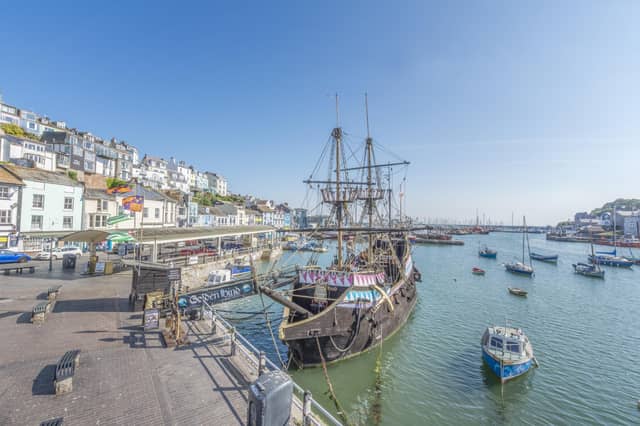
Another visit I did last week was to Brixham Harbour to meet with various stakeholders, including producer organizations who represent commercial fishermen, Brixham Trawler Agents, and a couple of skippers. We talked at length about the sustainability of the fishing industry.
It’s hard to avoid the loud voices who say that if current trends continue, there will be no fish left in the sea. Yet everyone I spoke to in Brixham assured me that their goal is absolutely not to destroy the fish stocks they depend on. Why would they want to do that when their livelihood depends on it, and they believe fishing is a fine tradition that should be protected for future generations?
We discussed their support for marine protected areas and their desire to work with scientists to agree on catch levels that will enable us to continue eating fish while protecting stock levels for the future. The Liberal Democrats are keen to see environmentalists, scientists, and the fishing community working together so stocks can be protected without threatening the future of the industry.
The fiasco around pollack this year, when fishermen were suddenly told they had to stop fishing it completely, is a prime example of how poorly the previous government approached things and how we can, and must, do better.