

'Black gold' is the secret to Torbay's glorious flowerbeds and borders

For some, the term 'black gold' may conjure images of open tracts of land in the US, large ‘nodding donkey’ rigs pumping oil from the ground. But for the gardeners among us, no doubt the term brings something quite different to mind: compost. For anyone
For some, the term 'black gold' may conjure images of open tracts of land in the US, large ‘nodding donkey’ rigs pumping oil from the ground.
But for the gardeners among us, no doubt the term brings something quite different to mind: compost.
For anyone who has signed up the household green waste service or takes their garden waste to the recycling centre in Yalberton, you might like to know that all those collected grass cuttings, flowers, leaves, or shrub and hedge trimmings are transported to a local farm where it is recycled into useable nutrient-rich compost.
You can almost think of a compost as a living thing: it’s important to monitor the amount of oxygen and water it has access to, ensure it has a ‘balanced diet’ of green and brown materials - the greens provide lots of nitrogen or protein, the browns are carbon-rich and great for bulking and aerating the compost - and to keep a check on its temperature.
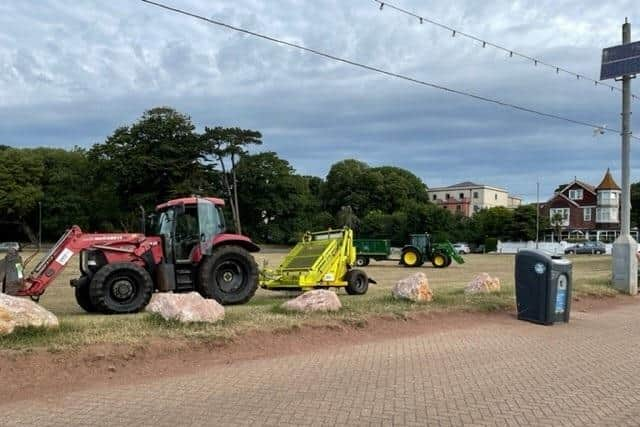
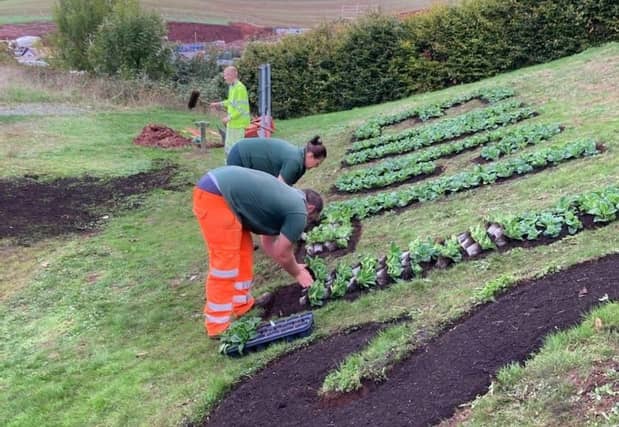
The SWISCo parks and ground maintenance team are putting the compost produced to good use on beds and borders in the parks and open spaces it manages - adding it as a top layer as mulch that is mixed with the soil by worms and other invertebrates, the nutrients taken up by bulbs, plants and shrubs.
So next time you see cheerful, planted beds around the Bay, think of the amazing process that produces the black gold that feeds it.
For more information about helping care for Torbay green spaces, contact Hannah Worthington by email [email protected] or call 07747 616 075.