

‘Sighs of relief’ as rail fare freeze saves Devon commuters from feared £130 hit
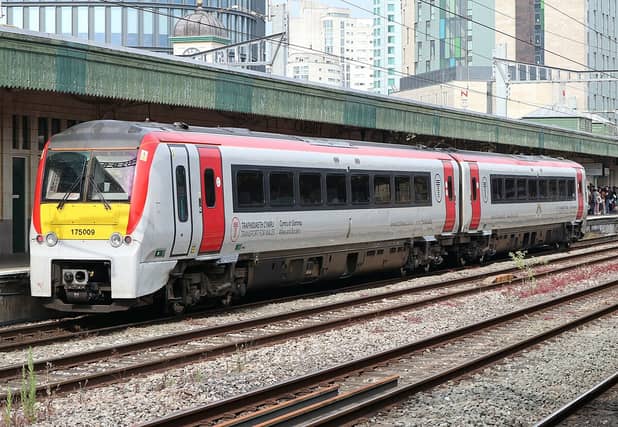

Rail fare freeze announced by government offers relief for Devon passengers, with Barnstaple–Exeter season ticket holders avoiding potential £130 rise based on July RPI.
Regulated rail fares in England will be frozen next year for the first time in three decades, the government has confirmed, keeping prices at their current level until March 2027.
The freeze covers regulated tickets including season tickets, most peak commuter fares and off-peak regulated returns.
It comes after years of consistent increases in rail prices, with regulated fares in England estimated to have risen by more than 60 per cent since 2010.
Earlier this year, fares increased by 4.6 per cent.
The government said transport costs remain one of the biggest pressures on household finances, and freezing rail fares is intended to help ease cost-of-living pressures while wider economic measures are put in place.
Ministers have also linked the announcement to their longer-term plan to bring the rail network under a new publicly owned body, Great British Railways.
Railfuture’s Devon and Cornwall regional branch chair, Tim Steer, said passengers across the region had been bracing for another rise after July’s Retail Price Index came in at 4.8 per cent, the figure that fare increases are traditionally based on.
He described the announcement as “sighs of relief”, adding that a standstill in fares makes encouraging rail travel “an easier sell” for those considering shifting from private car use to public transport.
He said many regular commuters had been “dreading yet another pinch in their pockets”, particularly as the cost-of-living pressures show little sign of easing.
Mr Steer said the freeze will be especially felt on routes such as Barnstaple to Exeter, where an annual season ticket could have risen by around £130 without intervention.
He added that holding fares steady may support efforts to encourage a shift from private car use to public transport, particularly as rising fuel costs continue to affect rural and regional travellers.
“To make a better sustainable and enviromentally friendly nation, we are all told to make the modal shift from private vehicle usage to public transport.,” he said. “This freeze will help those in society make that change and to help beat rising fuel costs.”
However, Mr Steer said the move does not address ongoing frustrations with reliability across the region.
Recent disruption has affected both the Barnstaple–Exeter line and the Waterloo–Exeter route, leaving passengers questioning the dependability of services.
“Rail operators consider passengers as their customers and those customers should feel that the service is dependable,” he said. “Passengers will likely feel that at least a poor service is not being made even less affordable.”
He pointed to improvements expected to arrive next year, including newer and longer Coradia Class 175 trains planned for use on regional routes, as well as the introduction of the Mid-Cornwall Metro service and a second station for Okehampton.
The fare freeze applies only to regulated fares, meaning some unregulated tickets, such as advance fares and first-class tickets, could still change in price.
The announcement comes ahead of the Chancellor’s Budget on Wednesday (November 26), where further cost-of-living measures and potential tax increases are expected to be set out.