

North Devon zoo sees strong Easter footfall - but visitors are spending less once through the gate
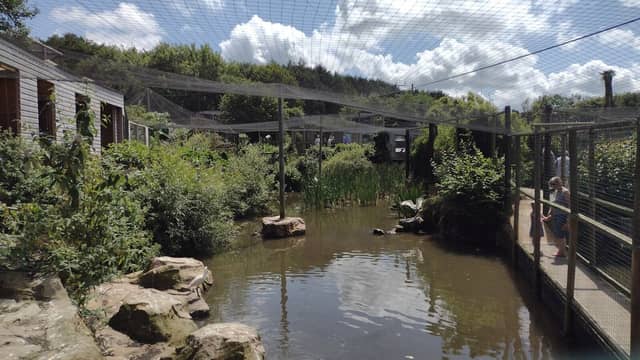

How the rising cost of living and fuel prices are reshuffling the UK staycation market: Why North Devon tourists are choosing entry tickets over gift shop spending
Exmoor Zoo has reported a 25 per cent rise in visitor numbers over Easter 2026 compared with the same holiday period last year, but found that per-head spending in its café and gift shop fell by 11 per cent.
This pattern suggests that while UK families are still prioritising shared experiences, they are carefully trimming spending on “extras” to make those days out happen.
The figures offer a revealing snapshot of a “two-tier” domestic tourism market this spring. According to VisitEngland’s 2026 Easter Trip-Tracker, a record 12.5 million Brits planned overnight domestic trips this year, up significantly from 10.6 million in 2025.
However, that same data shows that nearly 30 per cent of travelers expressed deep concern about having less disposable income due to the ongoing economic climate.
While more families reached the edge of Exmoor in North Devon, the journey itself has become more expensive.
Since March 2026, the Bank of England has warned that inflation is likely to hover between 3 per cent and 3.5 per cent through the summer, driven largely by volatility in the Middle East, which has pushed oil prices toward $80 per barrel.
For the average family, this translates to higher costs at the petrol pump, leaving a smaller “fun fund” once they arrive at their destination.
Staff compared the four-day Easter holiday period (3-6 April 2026) with the equivalent window in 2025.
Despite the weather being broadly comparable, a typical West Country mix of sunny spells and overcast skies, the spending habits were starkly different.
The zoo meticulously records daily weather conditions, as local climate traditionally plays a significant role in determining gate figures.
Total revenue for the zoo was up 11.5 per cent year-on-year, but this growth was driven almost entirely by ticket sales.
The drop in café and gift shop spending reflects a wider national trend identified by Nationwide’s 2026 spending report, which found that:
- 31 per cent of consumers are planning to cut back on eating out.
- 23 per cent are specifically reducing spend on “sweet treats” and non-essential snacks.
- 54 per cent of households remain concerned about the rising cost of living, leading many to swap “material” purchases for “memorable” ones.
The drop in café and gift shop spending, items visitors choose to buy beyond the entrance fee, points to a change in how families are managing their budgets on days out.