

Housing plans near historic Northam battleground dismissed after appeal
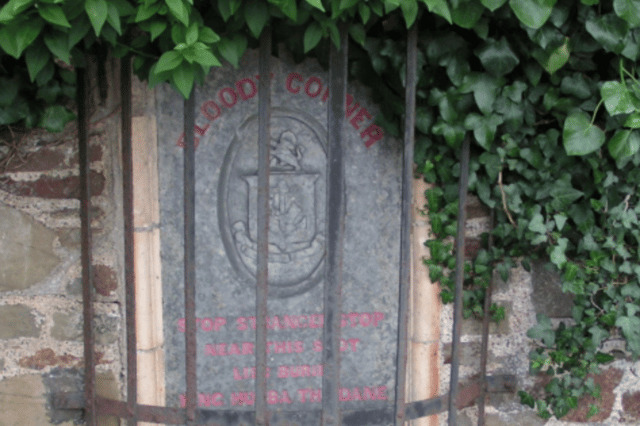

Proposed development on Northam’s undeveloped coastline rejected, as inspector warns of lasting harm to the area’s character
Plans to build up to 39 homes at Bloody Corner in Northam have been rejected for a second time, in what campaigners have described as a rare planning appeal dismissal.
A developer had appealed against a previous refusal by Torridge District Council, arguing the scheme should go ahead due to a lack of a five-year land supply for new homes.
However, a planning inspector has now upheld the council's decision, concluding that the development would cause significant harm to the area.
In the ruling, the inspector said the proposal would “detract from the unspoilt nature of the undeveloped coast” and would harm the appearance and character of the landscape. This was given “substantial negative weight” in the planning balance.
The inspector also recognised that the development would have a damaging impact on a nearby heritage asset - the grade II listed stone tablet at Bloody Corner.
The stone tablet is said to commemorate the location of a viking battleground, and the report concluded that new housing would undermine the site’s historical significance.
In dismissing the appeal, the inspector decided that “the adverse impacts of granting permission would significantly and demonstrably outweigh the benefits.”
A statement from Torridge District Council said: “The council welcomes the inspector’s decision and the recognition of the value and importance of upholding local and national planning policies which seek to protect the undeveloped coast.”
The Campaign to Protect Rural England (CPRE) backed the outcome noting that appeal dismissals are uncommon and that the decision reflected both local opposition and planning policies.
Devon CPRE Director, Penny Mills said: “The inspector’s considerations make interesting reading in the respect of the emerging Neighbourhood Plan, the North Devon and Torridge Local Plan, and the perceived harm to the semi-rural setting of the historic stone tablet.”
The proposal had included a proportion of affordable housing, and while CPRE acknowledged the need for homes in North Devon and Torridge, concerns over landscape impact, planning policy, and heritage proved to be decisive.