

Anthony Mangnall: Raw sewage being pumped on to our beaches must be stopped

As a firm supporter of the fishing community, a wild swimmer, a conservationist and a part-time angler, I looked on in horror a few weeks ago as the deluge of rain across the country overwhelmed our sewage systems, resulting in raw effluent flowing into o
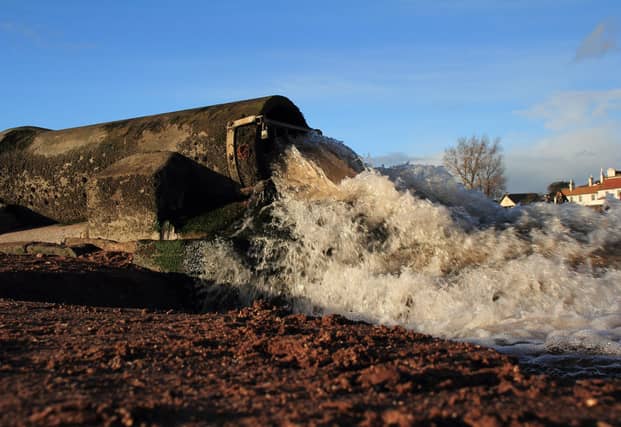
As a firm supporter of the fishing community, a wild swimmer, a conservationist and a part-time angler, I looked on in horror a few weeks ago as the deluge of rain across the country overwhelmed our sewage systems, resulting in raw effluent flowing into our waterways and on to our beaches.
This cannot be allowed to continue. But the positive news is that much of the legislative requirement calling for change is already in place in the form of the Environment Act. Passed in 2021, this new Act is the first bill in over 30 years to deal with this issue and to recognise that far more needs to be done by water companies to address our Victorian-era sewage network.
At its core, the new Act requires water companies to produce a comprehensive Drainage and Sewerage Management Plan. Due this month, the plans should outline how they intend to manage, develop and improve their sewage systems, including reducing storm overflows.
If the water companies fail to produce strong and comprehensive plans then the Government will be able to force them to take further action. A point that has been reinforced by the Prime Minister, both Premiership contenders and the current Secretary of State for the Environment.
On top of this, there is a requirement to outline how we are to reduce the storm overflow discharges that we saw recently. This report is due to be published now and is set to provide costed details of how we can deliver these changes. This will be coupled with the requirement for water companies and the Environment Agency to publish storm overflow data in real-time and to monitor water quality up and downstream.
It is more than understandable the frustration that is felt, given the fact that this Act was passed almost a year ago. But it does take time and this is the most comprehensive piece of legislation to address this issue in over three decades. Additionally, the water companies have agreed to invest £7.1bn in environmental improvements in England, including £3.1bn on storm overflows.
Progress is slow but it is being made. These are just the preliminary steps that have been made and which will result in a significant change to our ancient sewage network, but there are a few further steps we can take.
First, water companies must be included in the planning process. As a key part of the infrastructure network, thousands of new homes are placing untenable levels of pressure on the current system. If it cannot cope then we must review where and how we build.
Second, OFWAT, the water regulator needs to be stricter. It should set alarm bells ringing that nearly every water company across the country is leaking the maximum allowable amount of water acceptable to Ofwat. This suggests that if they tightened and reduced their acceptable leakage levels, we could do more to save water and encourage greater reforms and upgrades to the current system. The same can be said of storm overflows. Strong regulation from the market regulator would ensure faster action.
Every MP bears the scars of the environmental debate on water companies. These reforms will make a difference, but they will also take a little more time. For those calling for more, we must ensure the Planning Bill includes water companies and that the regulator has the teeth necessary to enact the changes needed.